Indications
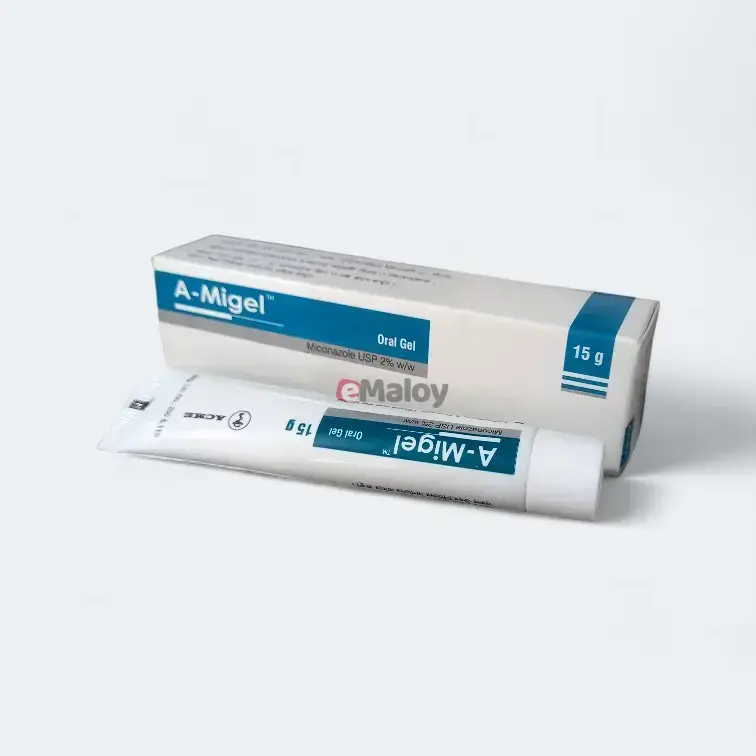
A-Migel (Miconazole) is indicated for treating fungal and certain bacterial infections.
- A-Migel oral gel:
- Treatment of oral and gastrointestinal candidiasis.
- Eradication of fungal colonization in the mouth and GI tract.
- Treatment of superinfections caused by Gram-positive bacteria.
- A-Migel cream:
- Treatment of dermatomycoses (fungal skin infections) such as:
- Tinea pedis (athlete's foot), tinea corporis, tinea manuum, tinea cruris.
- Candidial infections and tinea versicolor.
- Other skin infections like intertrigo, perianal infections, and balanoposthitis.
- Also provides rapid relief from itching often accompanying these infections.
Pharmacology
Miconazole is an antifungal agent that also has antibacterial activity against certain Gram-positive bacteria. It works by inhibiting a step in the biosynthesis of ergosterol, a crucial component of fungal cell membranes. This disruption leads to holes in the cell membrane, causing leakage of essential contents and ultimately leading to the death of the fungal cell. The oral bioavailability is low (25-30%), with most of the absorbed portion metabolized in the liver. The terminal plasma half-life is 20-25 hours.
Dosage & Administration
- Miconazole Oral Gel:
- Oropharyngeal candidiasis (Infants 4-24 months): 1.25 ml, 4 times a day after meals.
- Adults and Children ≥2 years: 2.5 ml, 4 times a day after meals.
- Gastrointestinal candidiasis: 20 mg per kg of body weight per day, in four divided doses. The daily dose should not exceed 250 mg (10 ml gel), four times daily.
- Administration: Apply a small amount directly to the affected area with a clean finger. Keep the gel in contact with the area as long as possible. Continue treatment for at least a week after symptoms disappear. For oral candidiasis, remove and brush dental prostheses with the gel at night.
- Miconazole Cream: Apply to affected areas twice daily (morning and evening) for most fungal infections. For tinea versicolor, apply once daily. Continue treatment for 2 to 5 weeks, and prolong for 10 days after symptoms resolve to prevent relapse. Candida infections, tinea cruris, and tinea corporis should be treated for two weeks, and tinea pedis for one month.
Interaction
- Terfenadine, Astemizole, Cisapride: Concomitant use should be avoided as Miconazole may inhibit their metabolism.
- Phenytoin and Cyclosporine: Miconazole may delay their metabolism, leading to potential toxicity. Plasma levels should be monitored.
Contraindications
Miconazole is contraindicated in patients with a known hypersensitivity to the active ingredient.
Side Effects
Common side effects include occasional nausea, vomiting, and diarrhea with long-term use. Allergic reactions are rare.
Pregnancy & Lactation
The safety of Miconazole oral gel during pregnancy has not been established. It should be avoided unless the potential benefits outweigh the possible hazards. Caution should be exercised when administering to a nursing woman as it is unknown if it is excreted in human milk.
Precautions & Warnings
- When used with anticoagulants or phenytoin, their effects and plasma levels should be monitored.
- In infants and young children, use caution to ensure the gel does not obstruct the throat.
Overdose Effects
Accidental overdosage may cause vomiting and diarrhea. Treatment is symptomatic and supportive, as there is no specific antidote.
Therapeutic Class
A-Migel is an Aural Anti-fungal preparation.
Storage Conditions
Keep in a dry place away from light and heat. Keep out of the reach of children.



Comment