Ambrox (Ambroxol): A Mucolytic and Expectorant for Respiratory Disorders
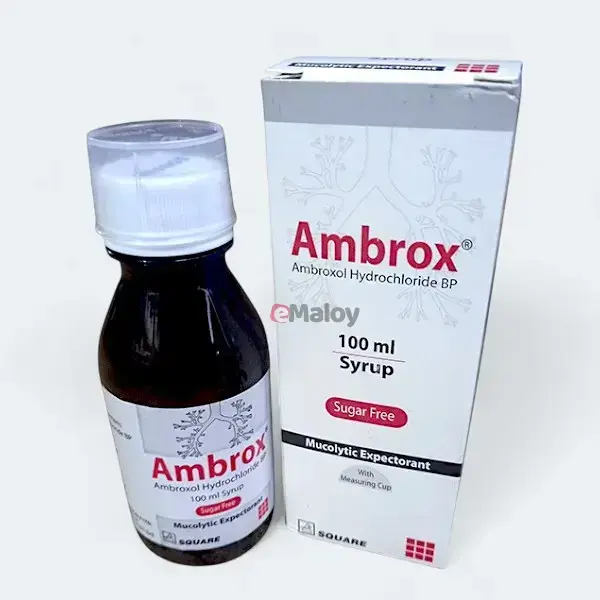
Ambrox contains Ambroxol, which is the active metabolite of bromhexine. It is classified as a cough expectorant and mucolytic, primarily used to thin and clear mucus from the respiratory tract to ease breathing.
How Ambrox Works (Pharmacology)
Ambroxol exerts its effects through several mechanisms to improve respiratory conditions:
- Mucus Liquefaction: It enhances the rheology (flow properties) of sputum through a hydrating mechanism. This leads to the liquefaction of viscid (thick) mucus in the respiratory tract, making it easier to cough up (expectorate) and thereby reducing dyspnea (difficulty breathing).
- Surfactant Production: It stimulates the production of phospholipids that form surfactant by alveolar cells. Surfactant helps reduce the surface tension in the alveoli (air sacs in the lungs), contributing to better lung function.
- Bronchial Hyperactivity Reduction: Ambroxol also helps to decrease bronchial hyperactivity.
- Anti-inflammatory Properties: It possesses anti-inflammatory effects by inhibiting the production of cellular cytokines and arachidonic acid metabolites, which are involved in inflammatory processes.
- Airway Patency: In patients with Chronic Obstructive Pulmonary Disease (COPD), it traditionally helps improve the openness of the airways.
Key Indications & Benefits
Ambrox is indicated for the treatment of various acute and chronic inflammatory disorders of the upper and lower respiratory tracts that are associated with thick and sticky mucus. These include:
- Productive cough
- Acute and chronic bronchitis
- Inflammatory diseases of the rhinopharyngeal tract associated with viscid mucus (e.g., laryngitis, pharyngitis, sinusitis, and rhinitis)
- Asthmatic bronchitis
- Bronchial asthma with thick expectoration
- Bronchiectasis
- Chronic pneumonia
Dosage & Administration
Ambrox is available in Pediatric Drops, Syrup, and Sustained Release Capsules. Doses are preferably taken after meals. Always consult a registered physician for medication use.
- Pediatric Drops:
- 0-6 months: 0.5 ml twice a day
- 6-12 months: 1 ml twice a day
- 1-2 years: 1.25 ml twice a day
- Syrup:
- 2-5 years: 2.5 ml (1/2 teaspoonful) 2-3 times a day
- 5-10 years: 5 ml (1 teaspoonful) 2-3 times a day
- 10 years and adults: 10 ml (2 teaspoonful) 3 times a day
- Sustained Release Capsule:
- Adults and children over 12 years old: 1 capsule once daily.
Important Considerations & Warnings
It is crucial to discuss your full medical history with your doctor before taking Ambrox.
Contraindications:
- Known hypersensitivity to Ambroxol or Bromhexine.
Side Effects:
- Gastrointestinal side effects may occur occasionally, such as epigastric pain and a feeling of stomach overfill.
- Rarely, allergic responses have been reported, including eruption (skin rash), urticaria (hives), or angioneurotic edema (swelling under the skin).
Pregnancy & Lactation:
- Pregnancy: Teratogenic and fetal toxicity studies have shown no harmful effect of Ambroxol. However, it is advised not to use it during pregnancy, especially during the 1st trimester.
- Lactation: Safety during lactation has not been established yet.
Precautions & Warnings:
- Ambrox should be given cautiously to patients with:
- Gastric and duodenal ulceration
- Convulsive disorders
- Patients with hepatic (liver) and renal (kidney) insufficiency should take it with caution.
Drug Interactions:
- Ambrox should not be taken simultaneously with antitussives (e.g., Codeine). This is because phlegm that has been liquefied by Ambrox might not be expectorated due to the cough suppression, potentially leading to mucus retention.
Storage Conditions
Protect from direct light exposure. Store in a dry place at a temperature not exceeding 30°C. Keep out of the reach of children.



Comment