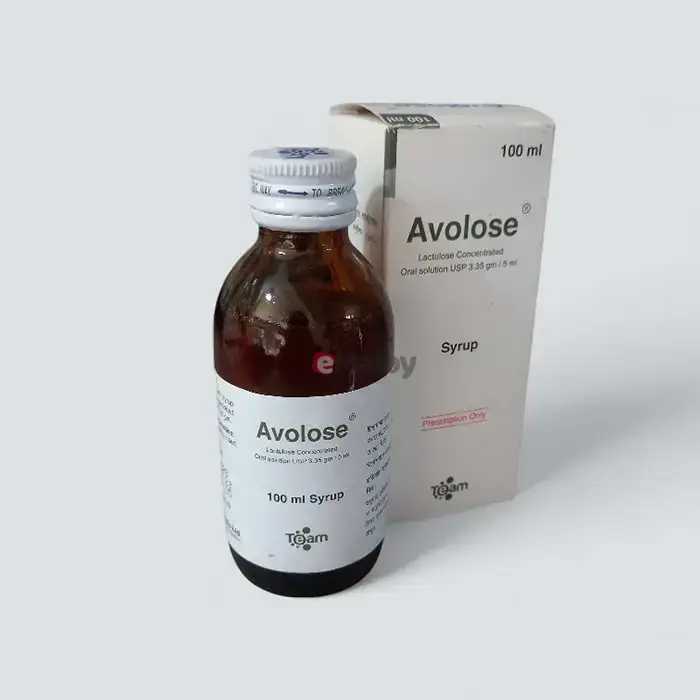
Avolose (Lactulose): An Osmotic Laxative
Avolose contains Lactulose, a non-absorbable synthetic disaccharide. It is a hyperosmolar laxative used for the effective treatment of chronic constipation. It is also indicated for intestinal flora disturbances, certain intestinal diseases, and to reduce high blood ammonia levels in conditions like hepatopathy and portal-systemic encephalopathy.
How Avolose Works (Pharmacology)
Avolose's mechanism is based on an osmotic effect in the colon:
- Metabolism: Lactulose is metabolized by bacteria in the colon, producing organic acids that lower the colon's pH.
- Osmotic Action: This process draws water into the bowel through osmosis, softening the stool and increasing bowel motility.
- Minimal Absorption: Since lactulose is minimally absorbed into the body, its primary therapeutic action occurs directly in the colon.
Key Indications & Benefits
Avolose is indicated for:
- Chronic constipation (when dietary and exercise measures are insufficient).
- Intestinal flora disturbances (e.g., after long-term antibiotic use).
- Increased blood ammonia levels in hepatic conditions.
- Intestinal diseases like colitis and diverticulosis.
Dosage & Administration
Dosage is typically measured in teaspoons and varies by age and condition.
- Constipation (Adults): Initially 3-6 teaspoons daily, reduced to 1.5-6 teaspoons for long-term therapy.
- Constipation (Children): Doses are lower, ranging from 1-3 teaspoons daily depending on age.
- Hyperammonemia: Maximum doses can be as high as 18-30 teaspoons daily, or hourly doses to achieve rapid laxation.
Important Considerations & Warnings
It is crucial to discuss your full medical history with your doctor before taking Avolose.
Contraindications:
- Hypersensitivity to galactose or lactose, a galactose-free diet, and suspected intestinal obstruction.
Side Effects:
- Common: Initially, flatulence, cramps, and abdominal discomfort may occur, which can be managed by reducing the dose.
- Overdose: Can cause diarrhea and electrolyte loss (primarily potassium).
Pregnancy & Lactation:
- Pregnancy Category B. No adverse effects have been reported in studies, but a physician should make the final decision on its use.
Precautions & Warnings:
- Use with care in patients with intolerance to lactulose.
- High doses used for hepatic conditions should be considered for diabetic patients.
Drug Interactions:
- No significant interactions have been reported, but potassium loss from abuse could intensify the effect of cardiac glycosides.
Storage Conditions
Keep in a dry place, away from light and heat. Keep out of the reach of children.



Comment