

100% Original Products

Fast Delivery within 24-72 Hours

Cash On Delivery Available

24/7 Order Support via whatsapp
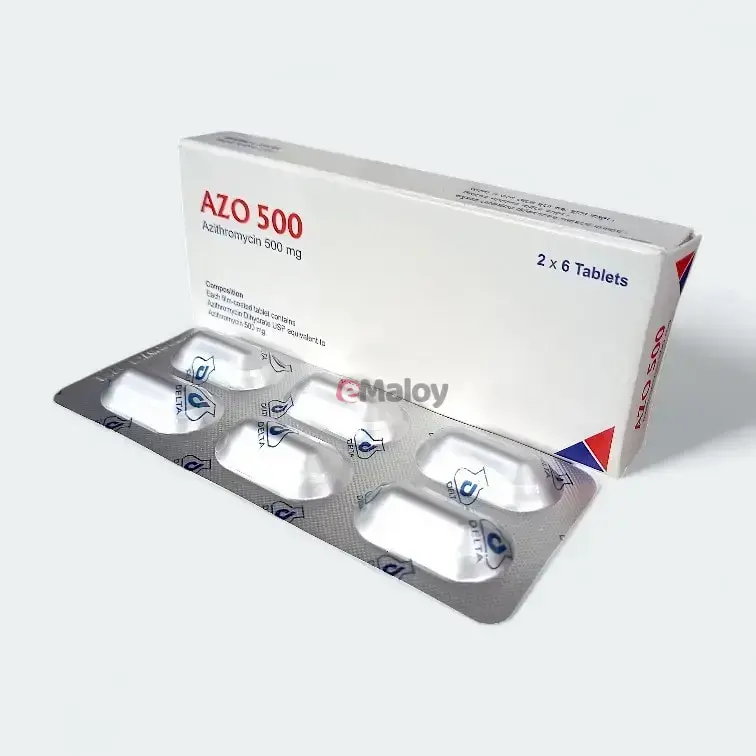
Azo (azithromycin) is a macrolide antibiotic indicated for infections caused by susceptible organisms, including:
Azithromycin is an acid-stable antibiotic that is well-absorbed orally, with absorption being greater on an empty stomach. It works by binding to the 50S ribosomal subunit of bacteria, interfering with protein synthesis. This action is bacteriostatic. Due to its high concentration in phagocytes, it is actively transported to the site of infection, where its tissue concentration can be over 50 times higher than in the blood. It has a long terminal elimination half-life of 68 hours, allowing for a shorter course of treatment. The major route of elimination is biliary excretion, with about 6% of the dose appearing in the urine.
Oral azithromycin should be taken at least 1 hour before or 2 hours after a meal. For the suspension, shake the bottle, add boiled and cooled water up to the marked line, and shake until the powder is fully mixed.
Azo is contraindicated in patients with:
Azithromycin is generally well tolerated. The most common side effects are gastrointestinal, including nausea, abdominal pain, vomiting, diarrhea, and loose stools. Allergic reactions, such as rash or photosensitivity, have occurred, with rare reports of serious hypersensitivity reactions. Reversible elevations in liver enzymes and rare cases of cholestatic jaundice have been observed. Transient reductions in neutrophil counts and reversible hearing impairment have also been reported, particularly with higher, prolonged doses.
Azithromycin is a Pregnancy Category B drug. Animal studies have shown no evidence of harm to the fetus. However, there are no adequate studies in pregnant women. It should be used during pregnancy only if necessary. It is not known whether azithromycin is secreted in breast milk, so caution should be exercised when administering it to nursing women.
Rare but serious allergic reactions, including angioedema and anaphylaxis, have been reported. Some of these reactions have recurred and required a long period of observation and treatment.
There is limited data on overdose with Azo. Typical symptoms with macrolide antibiotics include hearing loss, severe nausea, vomiting, and diarrhea. Gastric lavage and general supportive measures are indicated.
Azo is a macrolide antibiotic.
Keep in a dry place away from light and heat. Keep out of the reach of children.
Your email address will not be published. Required fields are marked *
Please login to write review!
Looks like there are no reviews yet.
Cookie preferences
Comment