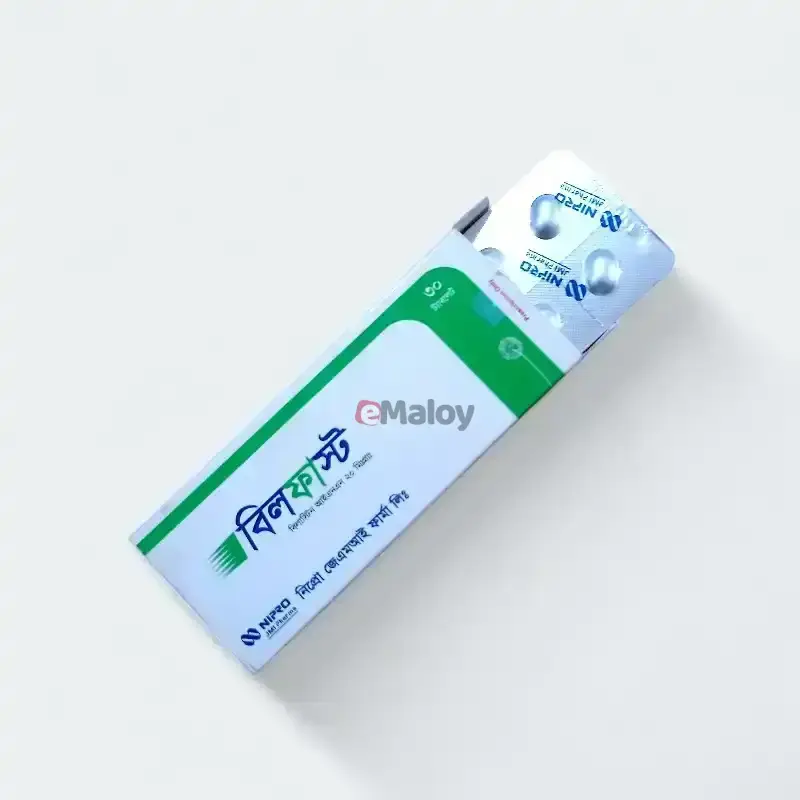
Bilfast 20: Effective, Non-Drowsy Allergy Relief
Bilfast 20 is an advanced, non-sedating antihistamine designed for the effective symptomatic treatment of various allergic conditions. It provides rapid relief from common allergy symptoms, helping you manage your daily life comfortably.
What Bilfast 20 Treats
Bilfast 20 is indicated for:
- Allergic Rhinoconjunctivitis (Seasonal and Perennial): This includes relieving symptoms of hay fever such as sneezing, itchy, runny, blocked nose, and red, watery eyes.
- Urticaria (Hives): Helps to alleviate the itching and skin rash associated with hives.
Always consult a registered physician for medication use.
How Bilfast Works (Pharmacology)
Bilfast contains Bilastine, a potent and selective H1 receptor antagonist. This means it primarily targets and blocks the histamine H1 receptors in your body, which are responsible for triggering allergic symptoms. Its high affinity for these receptors, combined with a favorable safety and pharmacokinetic profile, makes it highly effective. Unlike some other antihistamines, Bilastine doesn't undergo significant metabolism to be active, and it is primarily excreted from the body via feces and urine. This mechanism ensures strong anti-allergic action with a low risk of unwanted side effects.
Dosage & Administration
Bilfast 20 is designed for convenient once-daily dosing. It should be swallowed with water on an empty stomach to ensure optimal absorption.
- Adults & Adolescents (12 years and over): Take one 20 mg tablet once daily for symptomatic relief of allergic rhinitis, urticaria, and allergic rhinoconjunctivitis. Do not exceed the maximum recommended daily dose of 20 mg. If you miss a dose, simply take the next scheduled dose; do not take an extra dose.
For Children (specific formulations available):
- Children 6 to 11 years: A 10 mg mouth-dissolving tablet is available for symptomatic relief. Place the tablet in the mouth; it will disperse rapidly and can be easily swallowed. Alternatively, it can be dispersed in a teaspoon of water. The maximum recommended daily dose is 10 mg.
- Children 2 to 11 years: A liquid formulation, 4 ml once daily, is available.
Always consult a registered physician for medication use, especially for pediatric dosing.
Important Considerations & Warnings
It's important to discuss your full medical history with your doctor before taking Bilfast 20.
Contraindications:
- Bilfast is contraindicated if you have a known hypersensitivity (allergy) to Bilastine or any of the tablet's excipients.
Side Effects:
- The most commonly reported side effects are headache, dizziness, somnolence (drowsiness), and fatigue. These adverse events occurred with a comparable frequency to that observed with a placebo in clinical trials.
Interactions:
- Concomitant use with certain medications like ketoconazole, erythromycin, cyclosporine, or diltiazem may increase Bilfast concentration, but these changes typically do not affect the safety profile of the drugs involved.
- Bilfast does not potentiate the effects of alcohol on psychomotor performance.
- It also does not enhance the depressant CNS effects of lorazepam.
Precautions & Warnings:
- Treatment with Bilfast 20 mg generally does not affect driving performance. However, very rarely, some people may experience drowsiness, which could impact their ability to drive or operate machinery. Exercise caution if you feel affected.
- No dosage adjustment is necessary for patients with renal impairment, as the maximum plasma concentration remains below the safety threshold.
- Bilastine is not metabolized in humans, and liver function changes are not expected to have a clinically relevant influence.
Use in Special Populations:
- The efficacy and safety of Bilfast in children under 2 years of age have not been established. There is little clinical experience in children aged 2 to 5 years, so its use in these age groups is generally not recommended without specific medical advice.
- Elderly patients (65 years and older) showed no difference in efficacy or safety compared to younger patients in clinical trials.
Pregnancy & Lactation:
- There is limited data on Bilastine use in pregnant women. Animal studies do not indicate direct or indirect harmful effects on reproduction. As a precautionary measure, it is generally preferable to avoid Bilastine during pregnancy.
- It is unknown if Bilastine is excreted in human milk. A decision regarding use during breastfeeding should weigh the benefits for the child against the benefits of Bilfast therapy for the mother.
Overdose Effects:
- In clinical trials, doses significantly higher than therapeutic (10 to 11 times) resulted in increased adverse events like dizziness, headache, and nausea, but no serious adverse events or significant QTc prolongation were reported.
Storage
Keep Bilfast 20 below 30°C temperature, protected from light and moisture. Keep out of reach of children.




Comment