Carlina M 500: Dual-Action for Type 2 Diabetes Management
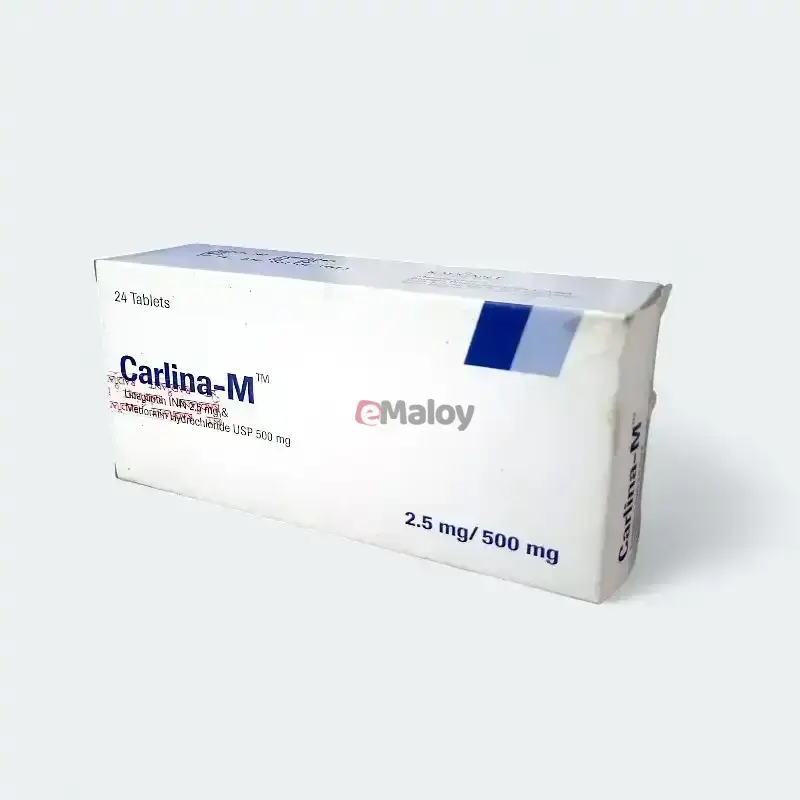
Carlina M 500 is a prescription medication indicated as an adjunct to diet and exercise to improve glycemic control in adults with type 2 diabetes mellitus. It is specifically designed for patients where treatment with both Linagliptin and Metformin Hydrochloride is deemed appropriate.
How Carlina M 500 Works (Pharmacology)
Carlina M 500 combines two distinct anti-hyperglycemic agents: Linagliptin and Metformin Hydrochloride, which work synergistically to lower blood sugar.
- Linagliptin (DPP-4 Inhibitor): Linagliptin inhibits the enzyme DPP-4 (dipeptidyl peptidase-4). DPP-4 normally breaks down incretin hormones, such as GLP-1 (glucagon-like peptide-1) and GIP (glucose-dependent insulinotropic polypeptide). By inhibiting DPP-4, Linagliptin increases the concentrations of active incretin hormones. These hormones, in a glucose-dependent manner, then:
- Stimulate the release of insulin from pancreatic beta (β) cells.
- Decrease the secretion of glucagon from pancreatic alpha (α) cells. This dual action helps to normalize blood glucose levels.
- Metformin Hydrochloride (Biguanide): Metformin is a biguanide-type oral antihyperglycemic drug. Its primary mechanisms of action include:
- Decreasing hepatic (liver) glucose production.
- Decreasing intestinal absorption of glucose.
- Improving insulin sensitivity by increasing peripheral glucose uptake and utilization in muscle and fat cells. Metformin does not directly stimulate insulin secretion and, unlike sulfonylureas, does not typically produce hypoglycemia (low blood sugar) when used alone.
Key Indications & Benefits
- Improved Glycemic Control: Helps to lower both basal (fasting) and postprandial (after-meal) plasma glucose levels in adults with type 2 diabetes.
- Dual Mechanism of Action: Addresses glucose control through complementary pathways (insulin release, glucagon suppression, reduced glucose production/absorption, improved insulin sensitivity).
- Appropriate for Combination Therapy: Ideal for patients who benefit from the combined effects of a DPP-4 inhibitor and a biguanide.
Always consult a registered physician for medication use.
Dosage & Administration
The dosage of Carlina M should be individualized based on effectiveness and tolerability. Dose escalation should be gradual to minimize gastrointestinal (GI) side effects associated with Metformin.
For Immediate Release Tablets (e.g., Carlina M 500):
- Maximum Recommended Dose: 2.5 mg Linagliptin and 1000 mg Metformin Hydrochloride twice daily with meals.
- Recommended Starting Dose (for patients not currently on Metformin): Initiate treatment with 2.5 mg Linagliptin and 500 mg Metformin Hydrochloride twice daily.
- For patients already on Metformin: Start with 2.5 mg Linagliptin and their current dose of Metformin Hydrochloride twice daily.
- Switching from individual components: Patients already treated with Linagliptin and Metformin Hydrochloride as individual components may switch to this combination containing the same doses of each component.
For Extended Release Tablets (if applicable, though Carlina M 500 indicates immediate release):
- Maximum recommended total daily dose: 5 mg Linagliptin and 2000 mg Metformin Hydrochloride once daily with a meal.
- Starting doses and switching instructions are similar, adjusting for the once-daily extended-release regimen.
Always consult a registered physician for medication use.
Important Considerations & Warnings
It is crucial to discuss your full medical history with your doctor before taking Carlina M.
Contraindications:
- Renal Impairment: This combination is contraindicated in patients with renal impairment due to the risk of Metformin accumulation and lactic acidosis, as Metformin is substantially excreted by the kidney.
- Acute or Chronic Metabolic Acidosis: Including diabetic ketoacidosis.
- Hypersensitivity: To Linagliptin or Metformin Hydrochloride.
Side Effects: The most common side effects reported are nasopharyngitis (cold symptoms) and diarrhea.
- Hypoglycemia (low blood sugar) is more common in patients treated with Carlina M and concomitant sulfonylureas.
Interactions:
- Cationic Drugs (e.g., amiloride, digoxin, morphine, quinidine, ranitidine, vancomycin, trimethoprim): These drugs, eliminated by renal tubular secretion, may compete with Metformin for transport systems, potentially increasing Metformin levels. Careful monitoring and dose adjustment are recommended.
- Carbonic Anhydrase Inhibitors (e.g., topiramate, zonisamide, acetazolamide): Concomitant use may decrease serum bicarbonate and induce metabolic acidosis, increasing the risk of lactic acidosis with Carlina M. Use with caution.
- Inducers of P-glycoprotein and CYP3A4 Enzymes (e.g., Rifampin): Rifampin can decrease Linagliptin exposure, potentially reducing its efficacy. When strong P-gp or CYP3A4 inducers are necessary, alternative treatments not containing Linagliptin are strongly recommended.
- Drugs Affecting Glycemic Control (e.g., thiazides, corticosteroids, thyroid products, estrogens, oral contraceptives, sympathomimetics, calcium channel blockers, isoniazid): These drugs can cause hyperglycemia and lead to a loss of glycemic control. Close monitoring of blood sugar and dose adjustments of Carlina M are necessary when co-administered or withdrawn.
- Alcohol: Drinking alcohol may cause severe low blood sugar.
Precautions & Warnings:
- Lactic Acidosis: This is a rare but serious metabolic complication of Metformin, with severe and rapid onset. Symptoms include abdominal discomfort, decreased appetite, diarrhea, fast/shallow breathing, general discomfort, muscle pain/cramping, unusual sleepiness/tiredness/weakness. If suspected, discontinue Carlina M immediately and institute supportive therapy. The risk increases with renal impairment, dehydration, and certain co-medications.
- Ensure adequate fluid intake, especially during exercise, increased activity, vomiting, or diarrhea.
- Acute Pancreatitis: Postmarketing reports of acute pancreatitis exist. If suspected (sudden, severe stomach pain, chills, nausea, vomiting, fever, lightheadedness), promptly discontinue Carlina M.
- Radiologic Studies/Surgery: Temporarily discontinue Carlina M in patients undergoing radiologic studies with intravascular administration of iodinated contrast materials or any surgical procedures necessitating restricted intake of food and fluids.
- Vitamin B12 Levels: Metformin may lower Vitamin B12 levels; hematologic parameters should be monitored annually.
- Hypoglycemia (Low Blood Sugar): Carlina M can cause hypoglycemia, especially when used with sulfonylureas, or if meals are delayed/missed, alcohol is consumed, exercise is increased, or due to nausea/vomiting or certain other medications. Learn your individual symptoms of low blood sugar and treat them quickly. Carry a medical identification (ID) bracelet/card.
- Patient Counseling: Important to follow instructions from your healthcare team regarding diet, exercise, alcohol consumption, and interactions with other medicines. Other family members should be aware of how to prevent/manage side effects.
Pregnancy & Lactation:
- Pregnancy: There are no adequate and well-controlled studies in pregnant women. Carlina M should be used during pregnancy only if clearly needed and the potential benefit justifies the potential risk to the fetus.
- Lactation: It is not known if Linagliptin or Metformin are excreted in human milk. Caution should be exercised, and a decision made whether to discontinue nursing or the drug, considering the importance of the drug to the mother.
Overdose Effects:
- In case of overdose, supportive measures should be employed (remove unabsorbed material from GI tract, clinical monitoring, supportive treatment).
- Linagliptin: Unlikely to be removed by hemodialysis or peritoneal dialysis.
- Metformin: Is dialyzable. Overdoses greater than 50 grams have resulted in hypoglycemia (approx. 10% of cases) and lactic acidosis (approx. 32% of cases).
Storage Conditions
Keep in a cool and dry place (below 30°C), protected from light and moisture. Keep out of the reach of children.



Comment