Dexamethasone: A Potent Glucocorticoid for Inflammatory & Immunosuppressive Conditions
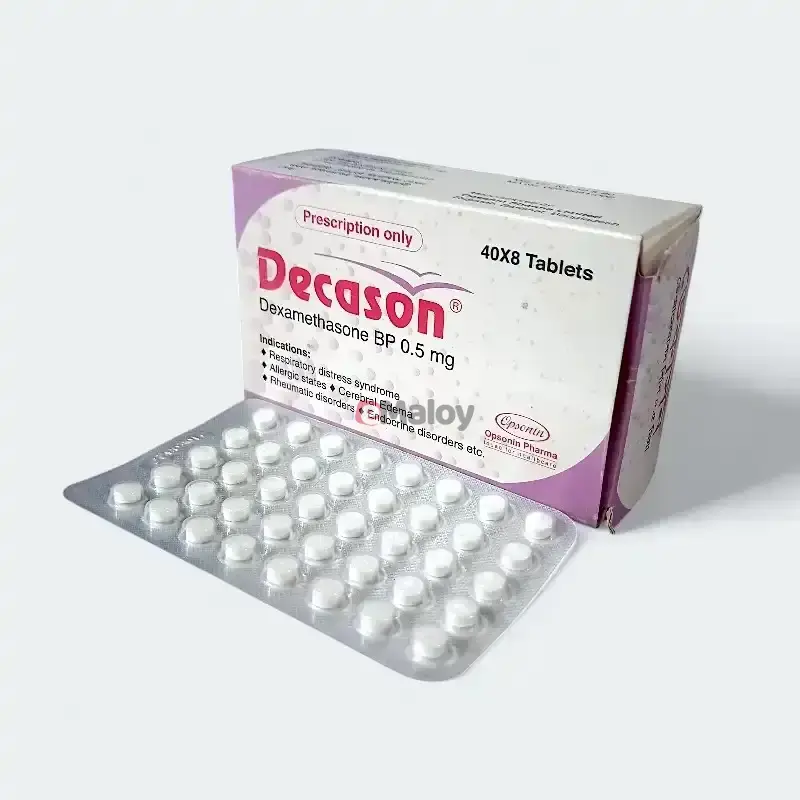
Dexamethasone is a synthetic glucocorticoid (a type of corticosteroid) known for its potent anti-inflammatory and immunosuppressive effects. It is used to treat a wide variety of conditions across many body systems.
How Dexamethasone Works (Pharmacology)
Dexamethasone primarily works by:
- Decreasing inflammation: It inhibits the migration of leukocytes (white blood cells) to sites of inflammation and reverses increased capillary permeability (blood vessels becoming leaky), thereby reducing swelling and redness.
- Suppressing normal immune response: This action is beneficial in autoimmune diseases and allergic conditions where the immune system is overactive.
Key Indications & Benefits
Dexamethasone is indicated for numerous conditions where its anti-inflammatory and immunosuppressive properties are beneficial:
- Allergic States: Severe or debilitating allergic conditions unresponsive to conventional treatment, including severe asthma, atopic dermatitis, contact dermatitis, drug hypersensitivity reactions, perennial or seasonal allergic rhinitis, and serum sickness.
- Collagen Diseases: Such as systemic lupus erythematosus and rheumatoid arthritis.
- Dermatologic Diseases: Bullous dermatitis herpetiformis, exfoliative erythroderma, mycosis fungoides, pemphigus, and severe erythema multiforme (Stevens-Johnson syndrome).
- Endocrine Disorders: Primary or secondary adrenocortical insufficiency, congenital adrenal hyperplasia, hypercalcemia associated with cancer, and non-suppurative thyroiditis.
- Gastrointestinal Diseases: Regional enteritis (Crohn's disease) and ulcerative colitis.
- Hematologic Disorders: Acquired (autoimmune) hemolytic anemia, congenital (erythroid) hypoplastic anemia (Diamond-Blackfan anemia), idiopathic thrombocytopenic purpura in adults, and selected cases of secondary thrombocytopenia.
- Neoplastic Diseases: Leukemias and lymphomas.
- Nervous System Disorders: Acute exacerbations of multiple sclerosis, cerebral edema associated with primary or metastatic brain tumors, craniotomy, or head injury.
- Ophthalmic Diseases: Temporal arteritis, uveitis, and ocular inflammatory conditions unresponsive to topical corticosteroids.
- Renal Diseases: To induce diuresis (increased urine output) or remission of proteinuria in idiopathic nephrotic syndrome or that due to lupus erythematosus.
- Respiratory Diseases: Berylliosis, fulminating or disseminated pulmonary tuberculosis (used concurrently with appropriate antituberculous chemotherapy), idiopathic eosinophilic pneumonias, symptomatic sarcoidosis.
- Rheumatic Disorders: Adjunctive therapy for acute episodes or exacerbations in acute gouty arthritis, acute rheumatic carditis, ankylosing spondylitis, psoriatic arthritis, rheumatoid arthritis (including juvenile rheumatoid arthritis), dermatomyositis, polymyositis, and systemic lupus erythematosus.
- Miscellaneous: Diagnostic testing of adrenocortical hyperfunction, trichinosis with neurologic or myocardial involvement, and tuberculous meningitis with subarachnoid block (used with appropriate antituberculous chemotherapy).
Dosage & Administration
Glucocorticoid dosage depends on the severity of the condition and the patient's response. The goal is to use the lowest effective dose.
For Tablets (Oral):
- Adults: Daily oral dosages typically range from 1 mg to 10 mg.
- Children: 0.03-0.20 mg/kg body weight, adjusted to individual response.
- Higher dosages may be temporarily required for disease control, then gradually decreased.
- Dexamethasone Suppression Test:
- Short test: 1 mg at 11 p.m., plasma cortisol measured next morning.
- Longer test: 0.5 mg every 6 hours for 48 hours, followed by 2 mg every 6 hours for another 48 hours. 24-hour urine collections for 17 alpha-hydroxycorticoids.
For Injection (IV, IM, or Local Injection):
- Can be given intravenously, intramuscularly, or locally. Can be diluted with infusion fluids (e.g., Sodium chloride 0.9%, Anhydrous glucose 5%).
- Intravenous injections of massive doses should be given slowly (over several minutes).
- Intramuscular administration should be deep IM to prevent subcutaneous atrophy.
- Intra-articular injections require strictly aseptic conditions due to decreased infection resistance.
- Systemic Therapy (Adults): Usually 0.05-0.20 mg/kg body weight daily.
- Emergencies (e.g., anaphylaxis, acute severe asthma, cerebral edema): Initial dose of 10-20 mg IV, followed by 6 mg IV or IM every 6 hours until satisfactory result, then gradually tapered off.
- Local Therapy (Recommended doses):
- Intra-articularly: 2-4 mg in large joints, 0.8-1 mg in small joints.
- Intrabursally: 2-4 mg.
- In tendon sheaths: 0.4-1 mg.
- Frequency of injections: Every 3-5 days to every 2-3 weeks.
Always consult a registered physician for medication use.
Important Considerations & Warnings
Discuss your full medical history with your doctor before taking Dexamethasone.
Contraindications:
- Gastric and duodenal ulcers.
- Systemic and ophthalmic fungal infections.
- Viral infections, e.g., varicella (chickenpox) and herpes genitalis infections, viral infections of the eye.
- Glaucoma.
- Hypersensitivity to corticosteroids.
Side Effects: Prolonged systemic glucocorticoid therapy can lead to various adverse reactions:
- Endocrine and Metabolic: Cushing-like syndrome, hirsutism, menstrual irregularities, premature epiphyseal closure in children, secondary adrenocortical and pituitary unresponsiveness, decreased glucose tolerance, negative nitrogen and calcium balance.
- Fluid and Electrolyte: Sodium and fluid retention, hypertension, potassium loss, hypokalemic alkalosis.
- Musculoskeletal: Myopathy, abdominal distension, osteoporosis, aseptic necrosis of femoral and humeral heads.
- Gastrointestinal: Gastric and duodenal ulceration, perforation, and hemorrhage.
- Dermatological: Impaired wound healing, skin atrophy, striae, petechiae, ecchymoses, bruising, facial erythema, increased sweating, acne.
- Central Nervous System: Psychic disturbances (euphoria, insomnia, mood swings, personality changes, severe depression, frank psychotic manifestations), convulsions, pseudotumor cerebri (benign intracranial hypertension with vomiting and papilledema) in children.
- Ophthalmic: Glaucoma, increased intraocular pressure, posterior subcapsular cataracts.
- Immunosuppressive: Increased susceptibility to infections, decreased responsiveness to vaccination and skin tests.
Interactions:
- Diuretics and/or cardiac glycosides: May enhance potassium loss, increasing cardiac glycoside toxicity (due to hypokalemia).
- Antidiabetics: Glucocorticoids may impair glucose tolerance, increasing the need for antidiabetic drugs.
- Non-steroidal anti-inflammatory drugs (NSAIDs): Increased incidence and/or severity of gastrointestinal ulceration.
- Oral anticoagulants: Glucocorticoids may alter the need for these drugs; monitor INR/PT.
- Liver enzyme-inducing drugs (e.g., rifampicin, ephedrine, barbiturates, phenytoin, primidone): May make glucocorticoids less effective.
- Salicylates: If patients on long-term glucocorticoid therapy are also taking salicylates, reduction in glucocorticoid dosage should be cautious, as salicylate intoxication has been reported.
- Antacids (especially magnesium trisilicate): May impair gastrointestinal absorption of glucocorticoids; space doses as far as possible.
Pregnancy & Lactation:
- Pregnancy Category C. No adequate and well-controlled studies in pregnant women. Should be used during pregnancy only if the potential benefit justifies the potential risk to the fetus.
- Lactation: Glucocorticoids appear in breast milk. Mothers taking high dosages should be advised not to breast-feed.
Precautions & Warnings:
- General: Use the lowest possible effective dose, and reduce gradually.
- Cardio-renal: Use with caution in patients with congestive heart failure, hypertension, or renal insufficiency.
- Endocrine: Drug-induced secondary adrenocortical insufficiency can be minimized by gradual dosage reduction.
- Gastrointestinal: Use with caution in active or latent peptic ulcers, diverticulitis, intestinal anastomoses, and nonspecific ulcerative colitis due to increased risk of perforation.
- Musculoskeletal: Consider osteoporosis risk (e.g., postmenopausal women) before starting therapy.
- Neuro-psychiatric: High doses can cause acute myopathy (especially with myasthenia gravis or neuromuscular blockers). Psychic derangements can occur, ranging from euphoria to psychosis.
Use in Special Populations:
- Pediatric patients: Titrate to the lowest effective dose to minimize potential growth effects.
- Geriatric patients: No specific dosage adjustment guidelines provided; likely treated similarly to adults but with caution given potential comorbidities.
Overdose Effects:
- Overdosage is unlikely. Treatment is supportive and symptomatic.
Storage Conditions
- Tablet: Store in a cool & dry place, protected from light & moisture.
- Injection: Store below 30°C, protected from light. Do not freeze.
- Keep medicines out of the reach of children.



Comment