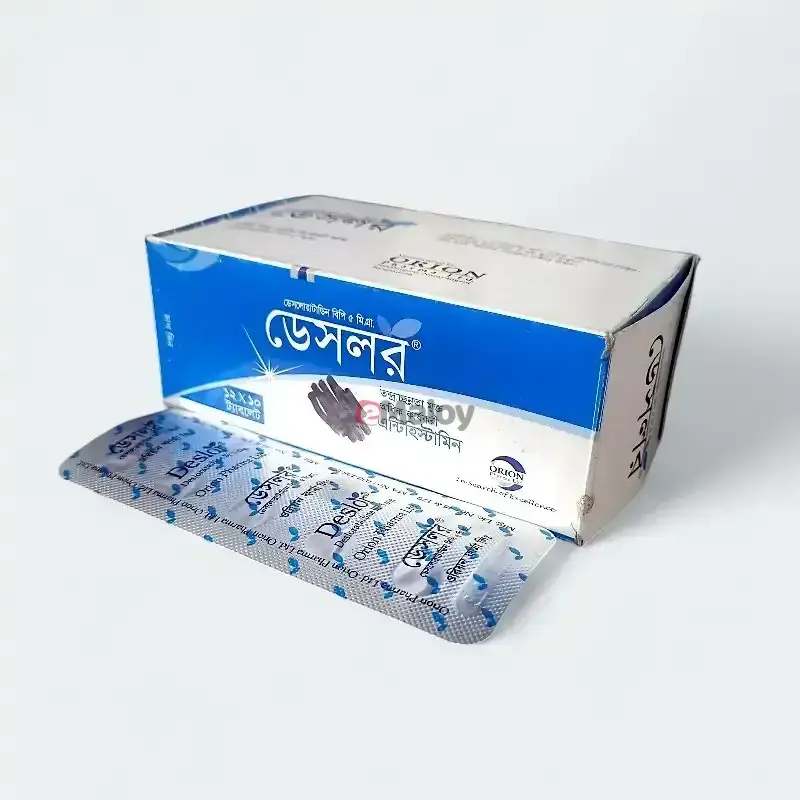
Deslor: A Non-Sedating Antihistamine for Allergic Symptoms
Deslor contains Desloratadine, a non-sedating, long-acting tricyclic histamine antagonist. It is primarily used for the relief of symptoms associated with various allergic conditions.
How Deslor Works (Pharmacology)
Desloratadine is the major active metabolite of Loratadine. It exerts its effects by:
- Selectively blocking H1-receptors: This action inhibits the effects of histamine, a chemical released during allergic reactions that causes symptoms like sneezing, itching, and nasal discharge.
- Inhibiting histamine release: Desloratadine also has the ability to prevent histamine from being released from human mast cells, further reducing allergic responses.
Because it is a non-sedating antihistamine, it typically does not cause drowsiness like older antihistamines.
Key Indications & Benefits
Deslor is indicated for the relief of symptoms associated with:
- Seasonal Allergic Rhinitis: Symptoms such as sneezing, nasal discharge, nasal itching, congestion or stuffiness, ocular itching, tearing, redness of eyes, itching of the palate, and coughing.
- Perennial Allergic Rhinitis: Similar symptoms as seasonal allergic rhinitis, but occurring year-round.
- Chronic Idiopathic Urticaria (Hives): Relief of itching and reduction in the size and number of hives.
Dosage & Administration
Deslor dosage varies based on age and formulation (drops, syrup, tablet).
Pediatric Drops:
- Child 6-11 months of age: 2 ml once daily.
- Child 1-2 years of age: 2.5 ml once daily.
Syrup:
- Child 6-11 months of age: 2 ml once daily.
- Child 1-5 years of age: 2.5 ml once daily.
- Child 6-11 years of age: 5 ml once daily.
- Adults & >12 years of age: 10 ml once daily.
Tablet:
- Adults and children 12 years of age and over: 1 tablet daily.
Always consult a registered physician for medication use.
Important Considerations & Warnings
Discuss your full medical history with your doctor before taking Deslor.
Contraindications:
- Patients with known hypersensitivity to Desloratadine, any of its ingredients, or Loratadine.
Side Effects:
- Less common side effects: Headache, nausea, fatigue, dizziness, pharyngitis (sore throat), dyspepsia (indigestion), and myalgia (muscle pain).
Interactions:
- No clinically relevant drug interactions have been reported.
Pregnancy & Lactation:
- Pregnancy Category C. The safe use of Desloratadine during pregnancy has not been established. Therefore, it is not to be used during pregnancy unless clearly indicated and the potential benefit justifies the potential risk to the fetus.
- Lactation: Desloratadine passes into breast milk. A decision should be made whether to discontinue nursing or to discontinue Desloratadine, taking into account the importance of the drug to the mother.
Precautions & Warnings:
- Liver or Renal Impairment (Adults): A starting dose of one 5 mg tablet every other day is recommended based on pharmacokinetic data.
- Seizures: Use with caution if the patient has a medical or familial history of seizures.
Use in Special Populations:
- Recommended for use in children and adolescents within the specified dosage ranges.
Overdose Effects:
- No clinically relevant adverse effects have been reported in overdose.
Storage Conditions
Store in a cool & dry place, protected from light. Store below 30°C. Keep all medicines out of the reach of children.




Comment