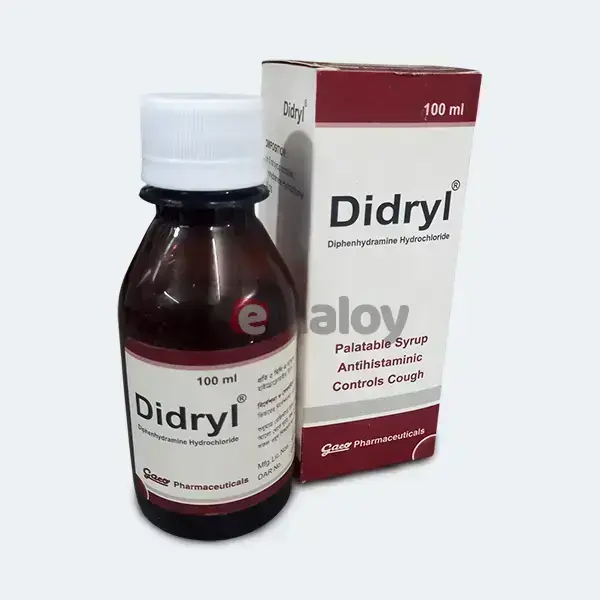
Didryl Syrup, 10 mg/5 ml contains Diphenhydramine Hydrochloride BP 10 mg per 5 ml. It is manufactured by Gaco Pharmaceuticals Ltd. in Bangladesh.
Indications:
Didryl Syrup is a sedating antihistamine used for the symptomatic treatment of various allergic conditions, as well as for its sedative and antiemetic (anti-nausea/vomiting) properties. Its indications include:
- Allergic diseases: Hay fever, allergic rhinitis (seasonal and perennial), urticaria (hives), angioedema, atopic dermatitis, contact dermatitis, gastrointestinal allergy, pruritus (itching), physical allergies, and reactions to contrast media or therapeutic preparations.
- Postoperative nausea and vomiting, and motion sickness.
- Certain forms of Parkinsonism.
- Certain allergic conjunctivitis.
- Can sometimes be used as a night-time sleep aid and for the short-term management of insomnia.
- May also be used for cough and cold symptoms due to its antihistaminic and drying effects on secretions.
Pharmacology:
Diphenhydramine is a first-generation antihistamine that primarily works by blocking histamine H1 receptors. This action counteracts the effects of histamine, a chemical released during allergic reactions, thereby reducing symptoms like itching, sneezing, and runny nose. It also possesses significant anticholinergic (drying) and sedative properties, contributing to its effectiveness as a sleep aid and antiemetic. Its anti-vertigo action is due to a central antimuscarinic effect.
Dosage and Administration:
Didryl Syrup can be taken by adults and children. Dosage should be determined by a registered physician.
- Antihistamine and Antitussive use:
- Children under 2 years: 2.5 ml every 4 to 6 hours.
- Children 2 to under 6 years: 5 ml every 4 to 6 hours.
- Children 6 to 12 years: 10-20 ml every 4 to 6 hours.
- Adults and children ≥12 years: 10-20 ml every 4 to 6 hours.
- As a sleep aid:
- Adults and children over 12 years: 50 mg (25 ml of syrup) at bedtime.
The maximum daily dosage should not exceed 300 mg (150 ml of syrup) for adults and children over 12 years.
Contraindications:
Didryl Syrup is contraindicated in:
- Premature or newborn infants.
- Patients with known hypersensitivity to Diphenhydramine Hydrochloride or any component of the drug.
- Patients with acute asthma attack.
- Narrow-angle glaucoma.
- Prostatic hypertrophy (enlarged prostate).
- Stenosing peptic ulcer.
- Pyloroduodenal obstructions (blockage between stomach and small intestine).
- Bladder neck obstruction.
- Patients currently receiving antidepressant therapy, particularly MAO inhibitors.
- Impaired hepatic or renal function (if ammonium chloride is also present, though this is not usually the case for plain Diphenhydramine syrup).
Side Effects:
Common side effects include:
- Drowsiness (most prominent)
- Dizziness
- Dryness of mouth, nose, and throat
- Nausea and vomiting
- Vertigo
- Palpitation
- Blurring of vision
- Headache
- Restlessness, insomnia (paradoxical excitation, particularly in children)
- Thickening of bronchial secretions.
- Allergic reactions, diarrhea, and excitation may also occur.
Precautions and Warnings:
- Patients should be cautioned not to operate vehicles or hazardous machinery until their response to the drug (especially drowsiness) has been determined.
- Concomitant consumption of alcohol or other central nervous system (CNS) depressants (like sedatives, tranquilizers) will potentiate drowsiness and should be avoided.
- Use with caution in patients with epilepsy, hyperthyroidism, cardiovascular disease, or increased intraocular pressure.
- Safety for use in pregnancy and lactation has not been fully established. Its use should involve consideration of expected benefits versus possible risks.
Drug Interactions:
- CNS depressants (e.g., alcohol, hypnotics, sedatives, tranquilizers): Can increase the sedative effect of Diphenhydramine.
- Antidepressants (especially tricyclic antidepressants and MAO inhibitors): MAO inhibitors can prolong and intensify the anticholinergic effects of antihistamines.
- Anticholinergic drugs: May potentiate Diphenhydramine's anticholinergic side effects (e.g., dry mouth, blurred vision).
- Diphenhydramine administration may significantly reduce the absorption of para-aminosalicylic acid (PAS, an antituberculosis agent).
Storage Conditions:
Do not store above 30°C temperature. Keep away from light and moisture. Keep out of reach of children.
Note: This information is for general knowledge and informational purposes only and does not substitute professional medical advice. Always consult your doctor or pharmacist for specific instructions and guidance regarding your medication.




Comment