Esipram: A Selective Serotonin Reuptake Inhibitor (SSRI)
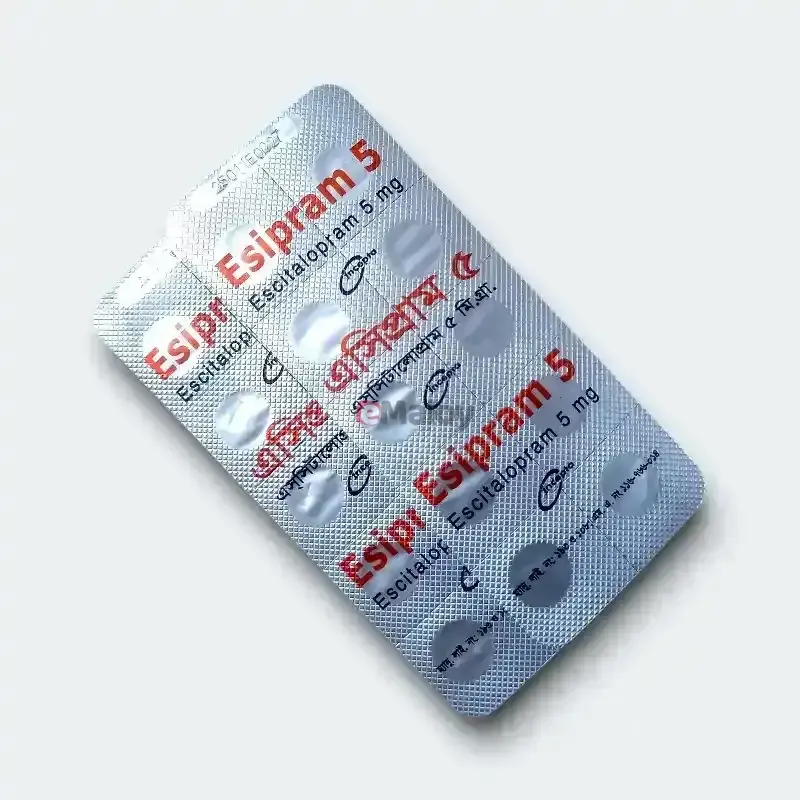
Esipram contains Escitalopram, an orally administered selective serotonin reuptake inhibitor (SSRI). It is primarily used to treat various mental health conditions by increasing serotonin levels in the brain.
How Esipram Works (Pharmacology)
Escitalopram is the pure S-enantiomer of citalopram. Its mechanism of action involves selectively inhibiting the reuptake of serotonin (5-HT) in the brain. This leads to an increase in the concentration of serotonin in the synaptic cleft, thereby enhancing serotonergic neurotransmission. Escitalopram is significantly more potent than the R-enantiomer of citalopram in inhibiting 5-HT reuptake. It has very low or no affinity for other receptors such as alpha- and beta-adrenergic, Dopamine, Histamine, Muscarinic, and benzodiazepine receptors, contributing to its selective action and generally favorable side effect profile compared to older antidepressants.
Key Indications & Benefits
Esipram is indicated for the treatment of:
- Major depressive episodes.
- Panic disorder with or without agoraphobia.
- Social anxiety disorder (social phobia).
- Generalized anxiety disorder.
- Obsessive-compulsive disorder (OCD).
Dosage & Administration
Esipram is administered as a single daily dose and can be taken with or without food, either in the morning or evening. The safety of daily doses above 20 mg has not been demonstrated.
General Dosing:
- Major depressive episodes:
- Usual: 10 mg once daily.
- Maximum: Up to 20 mg daily, depending on individual response.
- Antidepressant response usually takes 2-4 weeks.
- Treatment duration: At least 6 months after symptom resolution for consolidation.
- Panic disorder with or without agoraphobia:
- Initial: 5 mg daily for the first week.
- Then: Increase to 10 mg daily.
- Maximum: Up to 20 mg daily, depending on individual response.
- Maximum effectiveness: Reached after about 3 months.
- Treatment duration: Several months.
- Social anxiety disorder:
- Usual: 10 mg once daily.
- Response takes 2-4 weeks.
- Adjustment: Dose may be decreased to 5 mg or increased to a maximum of 20 mg daily based on response.
- Treatment duration: 12 weeks recommended for response consolidation. Long-term treatment (up to 6 months) may be considered to prevent relapse; benefits should be re-evaluated regularly.
- Note: Pharmacotherapy is for significant interference with professional/social activities and is part of an overall therapeutic strategy.
- Generalized anxiety disorder:
- Initial: 10 mg once daily.
- Maximum: Up to 20 mg daily, depending on individual response.
- Long-term treatment (at least 6 months for responders at 20 mg/day) may be considered; benefits and dose should be re-evaluated regularly.
- Obsessive-Compulsive Disorder (OCD):
- Initial: 10 mg once daily.
- Maximum: Up to 20 mg daily, depending on individual response.
- Treatment duration: Sufficient period to ensure symptom-free status, as OCD is chronic. Benefits and dose should be re-evaluated regularly.
Always consult a registered physician for medication use.
Important Considerations & Warnings
It is crucial to discuss your full medical history with your doctor before taking Esipram.
Contraindications:
- Known hypersensitivity to Escitalopram, Citalopram, or any inactive ingredients.
- Concomitant use with monoamine oxidase inhibitors (MAOIs) or Pimozide.
Side Effects:
SSRIs are generally less sedating and have fewer antimuscarinic and cardiotoxic effects than tricyclic antidepressants.
- Common (often dose-related gastrointestinal effects): Nausea, vomiting, dyspepsia, abdominal pain, diarrhea, constipation, headache, dry mouth, nervousness, anxiety, insomnia, tremor, dizziness, asthenia (weakness), sweating.
- Less common/Other: Anorexia with weight loss (increased appetite and weight gain also reported), hypersensitivity reactions (rash, urticaria, angioedema, anaphylaxis, arthralgia, myalgia, photosensitivity), hallucinations, drowsiness, convulsions, galactorrhoea (milk production), sexual dysfunction, urinary retention, hypomania or mania, movement disorders and dyskinesias, visual disturbances.
Drug Interactions:
- Monoamine Oxidase Inhibitors (MAOIs): SSRIs should not be started until 2 weeks after stopping an MAOI. Conversely, an MAOI should not be started until at least a week after stopping an SSRI (2 weeks for paroxetine and sertraline, at least 5 weeks for fluoxetine). This is due to the risk of serotonin syndrome.
- Pimozide: Concomitant use is contraindicated.
- Drugs that increase risk of bleeding: Concomitant use should be approached with caution (e.g., NSAIDs, anticoagulants) due to increased risk of bleeding.
- Concurrent electroconvulsive therapy (ECT): Prolonged seizures have been reported with fluoxetine (another SSRI).
Pregnancy & Lactation:
- Pregnancy (Third Trimester): Physicians should carefully consider the potential risks and benefits. There's a risk of persistent pulmonary hypertension of the newborn (PPHN) and withdrawal symptoms in the infant if SSRIs are used late in pregnancy.
- Lactation: Escitalopram is excreted in human breast milk. The decision to continue or discontinue nursing or Esipram therapy should weigh the risk of citalopram exposure for the infant against the benefits of Esipram treatment for the mother.
Precautions & Warnings:
- Epilepsy: Use with caution (avoid if poorly controlled, discontinue if convulsions develop).
- History of mania.
- Cardiac disease.
- Diabetes mellitus.
- Angle-closure glaucoma.
- History of bleeding disorders (especially gastrointestinal bleeding).
- Hepatic and renal impairment.
- Discontinuation symptoms: Abrupt discontinuation should be avoided. The dose should be gradually reduced over at least 1-2 weeks to minimize withdrawal symptoms. If intolerable symptoms occur, resuming the previously prescribed dose and then tapering more gradually may be considered.
Use in Special Populations:
- Elderly patients (>65 years): Initial dosage is 5 mg once daily, may be increased to 10 mg daily. Efficacy in social anxiety disorder has not been studied in this group.
- Children and adolescents (<18 years): Esipram should not be used in this age group for treatment.
- Reduced renal function: No dosage adjustment needed for mild or moderate impairment. Caution advised in severe impairment (CLCR <30 ml/min).
- Reduced hepatic function: Initial dose of 5 mg daily for the first two weeks in mild or moderate impairment. May increase to 10 mg daily. Caution and careful dose titration advised in severely reduced hepatic function.
- Poor metabolizers of CYP2C19: Initial dose of 5 mg daily for the first two weeks is recommended. May increase to 10 mg daily.
Overdose Effects:
- Symptoms: Mainly related to the central nervous system (dizziness, tremor, agitation, serotonin syndrome, convulsion, coma), gastrointestinal system (nausea/vomiting), cardiovascular system (hypotension, tachycardia, QT interval prolongation, arrhythmia), and electrolyte/fluid imbalance (hypokalaemia, hyponatremia).
- Management: No specific antidote. Establish and maintain airway, ensure adequate oxygenation. Gastric lavage and activated charcoal may be considered. Monitor cardiac and vital signs; provide general symptomatic supportive measures. ECG monitoring is advised in cases of overdose, in patients with cardiac conditions, those taking QT-prolonging medications, or those with altered metabolism.
Storage Conditions
Store below 30°C temperature and protect from light & moisture. Keep the medicine out of the reach of children.






Comment