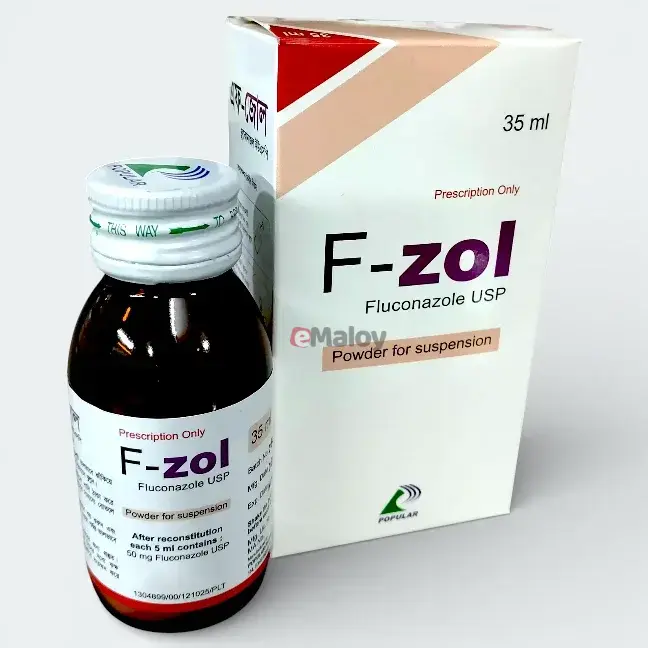
💊 F-Zol (Fluconazole)
F-Zol is a potent triazole antifungal agent that works by inhibiting the enzymes necessary for fungal cell membrane synthesis. It is highly effective for both superficial and systemic infections.
📋 Key Indications
- Common Infections: Vaginal, oropharyngeal (mouth), and esophageal candidiasis (thrush).
- Skin & Nails: Ringworm (Tinea), athlete's foot, and fungal nail infections (Onychomycosis).
- Serious Conditions: Fungal meningitis and infections in patients with weakened immune systems (AIDS or cancer).
🥄 Dosage & Administration
- Vaginal Candidiasis: A single 150 mg dose.
- Mouth Thrush: 200 mg on day 1, then 100 mg daily for 14 days.
- Skin Infections (Tinea): 150 mg once weekly for 4–6 weeks.
- Nail Infections: 150 mg once weekly for up to 12 months.
- Children: Dosing is weight-based (usually 3–6 mg/kg).
- ⚠️ Renal Impairment: Patients with kidney issues require adjusted intervals (e.g., every 48 or 72 hours) for multiple-dose therapy.
⚠️ Safety & Interactions
- Side Effects: Generally well-tolerated. Common issues include nausea, abdominal pain, diarrhea, and gas.
- Drug Interactions: 🛑 Use caution with:
- Warfarin: May increase bleeding risk.
- Diabetes Meds: May increase risk of low blood sugar (hypoglycemia).
- Phenytoin & Theophylline: May increase levels of these drugs to toxic ranges.
- Rifampicin: Decreases F-Zol levels; dose may need to be increased.
- Liver Health: In rare cases, liver enzymes may rise. Monitor for jaundice or dark urine.
🤰 Pregnancy & Lactation
- Pregnancy: Avoid unless clearly necessary and prescribed by a doctor. High doses are linked to fetal risks.
- Lactation: Not recommended, as it reaches high concentrations in breast milk.
📦 Storage
- Store in a dry place, away from light and heat.
- Keep out of reach of children. 🚫👶



Comment