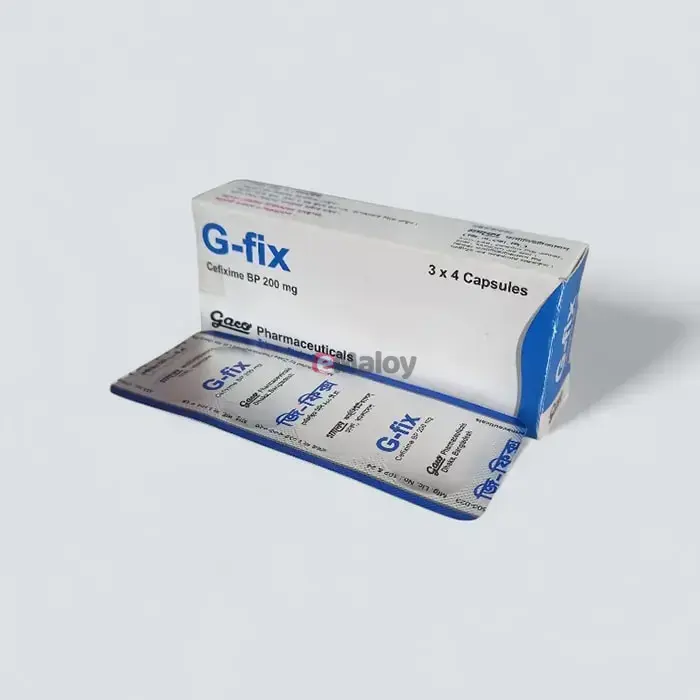
G-Fix (Cefixime): A Third-Generation Cephalosporin
G-Fix contains Cefixime, a third-generation oral cephalosporin antibiotic. It is a semisynthetic drug with potent bactericidal activity against a wide variety of Gram-positive and Gram-negative bacteria. Cefixime is highly stable in the presence of beta-lactamase enzymes, making it effective against many bacteria that are resistant to penicillins and some other cephalosporins. It is indicated for treating infections of the respiratory tract, urinary tract, and for typhoid fever.
How G-Fix Works (Pharmacology)
Cefixime works by inhibiting the synthesis of the bacterial cell wall:
- Inhibits Cell Wall Synthesis: It is bactericidal, meaning it kills bacteria by interfering with the formation of their cell walls.
- Beta-Lactamase Stability: Cefixime is highly stable against beta-lactamase enzymes produced by bacteria. This stability is key to its effectiveness against many resistant strains.
- Absorption: It is well-absorbed (about 40-50%) whether taken with or without food.
Key Indications & Benefits
G-Fix is indicated for the treatment of acute infections caused by susceptible microorganisms, including:
- Upper Respiratory Tract Infections (URTI): Such as otitis media.
- Lower Respiratory Tract Infections (LRTI): Such as bronchitis.
- Urinary Tract Infections (UTI): Such as cystitis, cystourethritis, and pyelonephritis.
- Typhoid Fever (in children).
Dosage & Administration
The dosage and duration of treatment with G-Fix depend on the patient's age, weight, and the severity of the infection. The usual course of treatment is 7 to 14 days.
- Adults and Children over 10 years: 200-400 mg daily, given as a single dose or in two divided doses.
- Elderly: Same as adults, but renal function should be assessed and dosage adjusted for severe renal impairment.
- Children: 8 mg/kg/day, given as a single dose or in two divided doses.
- Children weighing more than 50 kg or older than 10 years should receive the adult dose.
- Safety and efficacy have not been established in children younger than 6 months.
- Dosage in Renal Impairment: For patients with a creatinine clearance less than 20 ml/min, the dose should not exceed 200 mg once daily.
Important Considerations & Warnings
It is crucial to discuss your full medical history with your doctor before taking G-Fix.
Contraindications:
- Known hypersensitivity to cephalosporin antibiotics.
Side Effects:
- Common: Gastrointestinal disturbances such as diarrhea (especially with higher doses), nausea, abdominal pain, and flatulence.
- Less Common: Headache, dizziness, and hypersensitivity reactions like rash, itching, and drug fever.
- Rare: Pseudomembranous colitis, thrombocytopenia, leukopenia, and reversible changes in liver and renal function tests.
Pregnancy & Lactation:
- Pregnancy: There are no adequate studies in pregnant women. It should be used only if clearly needed.
- Lactation: It is not known if Cefixime is excreted in human milk, so caution should be exercised.
Precautions & Warnings:
- Hypersensitivity: Use with caution in patients with a history of hypersensitivity to other drugs, particularly penicillin, due to the risk of cross-allergenicity.
- Renal Impairment: Administer with caution in patients with markedly impaired renal function.
- Diarrhea: Broad-spectrum antibiotics can alter the colon's flora and may lead to overgrowth of Clostridium difficile, a primary cause of antibiotic-associated diarrhea.
Drug Interactions:
- Anticoagulants: Increases in prothrombin times have been noted, so caution should be taken in patients receiving anticoagulant therapy.
Overdose Effects
- No specific antidote exists.
- Treatment: Gastric lavage may be indicated, and treatment should be symptomatic.
- Dialysis: Cefixime is not removed in significant quantities by hemodialysis or peritoneal dialysis.
Storage Conditions
Keep below 30°C, protected from light and moisture. Keep out of the reach of children.



Comment