Methicol: Mecobalamin (Vitamin B12) for Neuropathies and Anemia
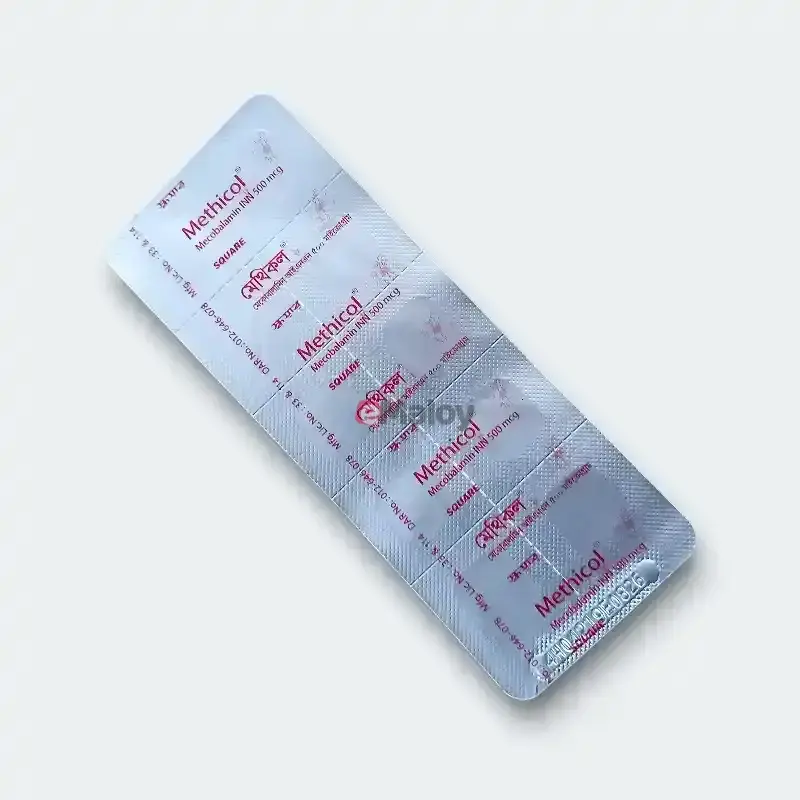
Methicol contains Mecobalamin, one of the two coenzyme forms of Vitamin B12. It is primarily indicated for the treatment of various neuropathies and megaloblastic anemia due to Vitamin B12 deficiency.
How Methicol Works (Pharmacology)
Mecobalamin differs from cyanocobalamin (another form of Vitamin B12) by having a methyl group instead of a cyano group at the cobalt atom. It functions as a cofactor in the enzyme methionine synthase, which is crucial for transferring methyl groups. This process is essential for:
- Regeneration of methionine from homocysteine: Important for cellular metabolism.
- Integrity of myelin: The protective sheath around nerve fibers.
- Neuronal function: Supporting the healthy operation of nerve cells.
- Proper red blood cell formation.
- DNA synthesis.
Mecobalamin also actively participates in the synthesis of neuronal lipids, promotes the regeneration of axonal nerves, enhances axonal transport, and exhibits neuroprotective activity, which explains its efficacy in various neuropathic conditions.
Key Indications & Benefits
Methicol Tablet is indicated in:
- Peripheral neuropathy
- Diabetic neuropathy
- Alcoholic neuropathy
- Drug-induced neuropathy
- Entrapment neuropathy
- Lumbago
- Intercostal neuralgia
- Diabetic retinopathy
- Multiple sclerosis
- Vertebral syndrome
- Parkinson's disease
- Alzheimer's disease
- Bell's palsy
Methicol Injection is indicated in:
- The treatment of peripheral neuropathies.
- Megaloblastic anemia due to vitamin B12 deficiency.
Dosage & Administration
The dosage of Methicol depends on the form (tablet or injection) and the condition being treated. Always consult a registered physician for medication use.
Tablet:
- 0.5 mg tablet 3 times daily after meals.
- The dosage should be adjusted according to the patient's age and the severity of the symptoms.
Injection: (Administered IM - intramuscularly or IV - intravenously)
- Peripheral Neuropathies (Adult): 1 ampoule (Mecobalamin 500 mcg) daily, administered IM or IV 3 times a week. The dose may be adjusted depending on the patient's age and symptoms.
- Megaloblastic Anemia (Adult): 1 ampoule (Mecobalamin 500 mcg) daily, administered IM or IV 3 times a week. After 2 months of medication, the dose should be reduced to a single administration of 1 ampoule at 1 to 3 month intervals for maintenance therapy.
- Use in Children: Not Recommended.
Important Considerations & Warnings
It is crucial to discuss your full medical history with your doctor before taking Methicol.
Contraindications:
- Hypersensitivity to Mecobalamin or other components of the formulation.
Side Effects:
- Dermatologic Effects: Rash. If this occurs, treatment should be discontinued.
- Gastrointestinal Effects: Anorexia (loss of appetite), nausea/vomiting, and diarrhea.
- Neurologic Effects (Central nervous system): Headache.
- Other:
- Anaphylactoid reaction: Rare but serious reactions like a decrease in blood pressure or dyspnea (shortness of breath) may occur. Patients should be carefully observed. If such symptoms appear, treatment should be discontinued immediately, and appropriate measures taken.
- Hot sensation
- Diaphoresis (excessive sweating)
- Pain/induration (hardening) at the site of intramuscular injection.
Pregnancy & Lactation:
- There are no specific data available for mecobalamin use in pregnant women and lactating mothers mentioned here.
- However, since Vitamin B12 is distributed into breast milk, the American Academy of Pediatrics considers its use to be generally compatible with breastfeeding. Nevertheless, consult a physician.
Precautions & Warnings:
- Methicol should not be used aimlessly for more than one month unless it is proven effective.
- The prolonged use of larger doses of Methicol is not recommended for patients whose occupation requires the handling of mercury or mercury compounds.
Drug Interactions:
- Reduced absorption: Absorption of vitamin B12 from the gastrointestinal tract may be reduced by:
- Neomycin
- Aminosalicylic acid
- Histamine H2-antagonists (e.g., ranitidine, cimetidine)
- Omeprazole (a proton pump inhibitor)
- Colchicine
- Decreased serum concentrations: Serum concentrations may be decreased by the use of oral contraceptives.
- Note: Many of these interactions are unlikely to be of major clinical significance but should be considered when performing blood concentration assays.
Storage Conditions
Store at room temperature. Protect from moisture and light.




Comment