Oxicam (Tenoxicam): A Non-Steroidal Anti-Inflammatory Drug (NSAID)
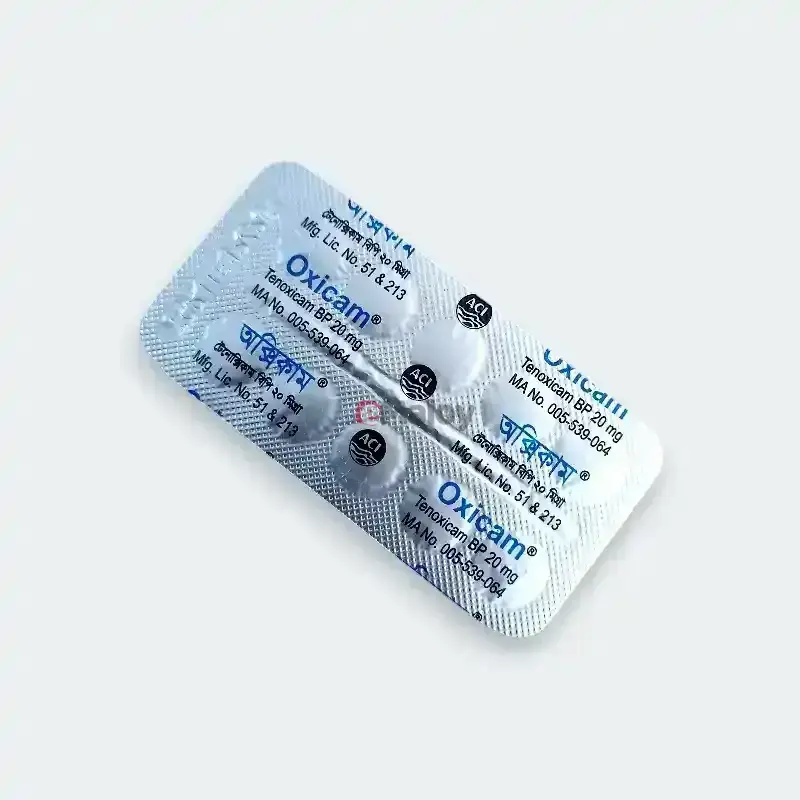
Oxicam contains Tenoxicam, a non-steroidal anti-inflammatory drug (NSAID) with anti-inflammatory, analgesic (pain-relieving), and antipyretic (fever-reducing) properties. It is used for the symptomatic treatment of various painful inflammatory and degenerative disorders of the musculoskeletal system.
How Oxicam Works (Pharmacology)
Tenoxicam primarily exerts its effects by inhibiting prostaglandin biosynthesis. Prostaglandins are chemical messengers that play a key role in mediating pain, inflammation, and fever. By inhibiting their production, Tenoxicam reduces these symptoms.
Beyond this, Tenoxicam also:
- Inhibits platelet aggregation: This means it can reduce the clumping of platelets, which is relevant for its safety profile.
- Acts as a scavenger for active oxygen at the site of inflammation: In vitro tests suggest this mechanism, helping to reduce tissue damage.
- Potently inhibits human metalloproteinases (stromelysin and collagenase) in vitro: These enzymes induce cartilage breakdown, suggesting a potential role in protecting cartilage in degenerative joint diseases.
These combined pharmacological effects explain its therapeutic benefits in musculoskeletal disorders. Animal studies showed no mutagenic, carcinogenic, or teratogenic effects, but renal and gastrointestinal effects, increased incidence of dystocia, and delayed parturition were observed.
Key Indications & Benefits
Oxicam is indicated for the symptomatic treatment of the following painful inflammatory and degenerative disorders of the musculoskeletal system:
- Rheumatoid arthritis
- Osteoarthritis
- Arthrosis
- Ankylosing spondylitis
- Extra-articular disorders, such as:
- Tendinitis
- Bursitis
- Periarthritis of the shoulders (shoulder-hand syndrome) or hips
- Strains
- Sprains
- Acute gout
Dosage & Administration
Oxicam tablets should be taken with a glass of water, preferably during or immediately after a meal. Always consult a registered physician for medication use.
- Standard dosage (for all indications except acute gout):
- A daily dosage of 20 mg should be given at the same time of day.
- In acute attacks of gout:
- The recommended dose is 40 mg once daily for two days, followed by 20 mg once daily for a further five days.
- In the treatment of chronic disorders:
- The therapeutic effect is evident early, with progressive increase over time.
- Daily doses higher than 20 mg should be avoided to prevent increased frequency and intensity of side effects without significantly increasing efficacy.
- For patients needing long-term treatment, a reduction to a daily oral dose of 10 mg may be tried for maintenance.
Special dosage instructions:
- These dosage recommendations generally apply to elderly patients and to patients suffering from kidney or liver disease.
- Children and adolescents: No dosage recommendations have been established due to lack of clinical experience; not recommended for use under 16 years of age.
Important Considerations & Warnings
It is crucial to discuss your full medical history with your doctor before taking Oxicam.
Contraindications:
- Known hypersensitivity to Tenoxicam.
- Patients in whom salicylates or other non-steroidal anti-inflammatory drugs (NSAIDs) induce symptoms of asthma, rhinitis, or urticaria.
- Patients suffering or having suffered from diseases of the upper gastrointestinal tract, such as gastritis, gastric and duodenal ulcer.
- Pregnancy (especially third trimester).
Side Effects:
Oxicam is generally well tolerated at recommended doses; side effects are usually mild and transient.
- Frequency greater than 1%:
- Gastrointestinal tract: Gastric, epigastric, and abdominal discomfort, dyspepsia (indigestion), heartburn, nausea.
- Central nervous system: Dizziness, headache.
- Frequency less than 1%:
- Gastrointestinal tract: Constipation, diarrhea, stomatitis (mouth inflammation), gastritis, vomiting, ulcers, GI-bleeding (including hematemesis - vomiting blood, and melena - dark, tarry stools).
- Central nervous system: Fatigue, sleep disturbances, appetite loss, dry mouth, vertigo.
- Skin: Itching (also in anal region after rectal administration), erythema (redness), exanthema, rash, urticaria (hives).
- Urinary tract and kidneys: Increase in BUN (Blood Urea Nitrogen) or creatinine, edema (swelling).
- Liver and biliary tract: Increased liver enzyme activity.
- Cardiovascular system: Palpitations.
- Isolated cases (frequency less than 0.01% - very rare):
- Gastrointestinal tract: GI-perforation.
- Central nervous system: Visual disturbances.
- Skin: Stevens-Johnson and Lyell's syndrome (severe skin reactions), photosensitivity reaction, vasculitis.
- Blood: Anemia, agranulocytosis, leukopenia (low white blood cell count), thrombocytopenia (low platelet count).
- Hypersensitivity reactions: Dyspnea (shortness of breath), asthma, anaphylaxis (severe allergic reaction), angioedema (swelling).
- Cardiovascular system: Elevated blood pressure, mainly in patients treated with cardiovascular drugs.
- Liver/Biliary tract: Hepatitis.
Pregnancy & Lactation:
- Pregnancy: NSAIDs inhibit prostaglandin synthesis and, when given during late pregnancy, may cause the closure of the fetal ductus arteriosus, prolong labor, and delay parturition. Treatment during the third trimester of pregnancy should be avoided.
- Lactation: A very small amount (approximately 0.2%) of tenoxicam passes into breast milk. Although no evidence of adverse reactions in breast-fed infants has been reported, infants should be weaned or the drug discontinued.
Precautions & Warnings:
- Renal Function: NSAIDs inhibit renal prostaglandin synthesis, which can adversely affect renal hemodynamics and salt/water balance. Monitor cardiac and renal function (BUN, creatinine, development of edema, weight gain) in patients at risk of renal failure, such as those with pre-existing renal disease, impaired renal function in diabetics, hepatic cirrhosis, congestive heart failure, volume depletion, or concomitant use of potentially nephrotoxic drugs, diuretics, and corticosteroids.
- Platelet Aggregation: Oxicam inhibits platelet aggregation and may affect hemostasis (blood clotting). Patients with coagulation disorders or receiving drug therapy that interferes with hemostasis should be carefully observed.
- Gastrointestinal Risk: Patients with symptoms of gastrointestinal disease should be closely monitored. If peptic ulceration or gastrointestinal bleeding occurs, Oxicam should be immediately withdrawn.
- Severe Skin Reactions: If severe skin reactions (e.g., Lyell's or Stevens-Johnson syndrome) occur, the treatment should be discontinued immediately.
- Visual Disturbances: Adverse eye findings have been reported. Ophthalmic evaluation is recommended for patients who develop visual disturbances.
- Plasma Albumin: Caution is required when plasma albumin levels are markedly reduced due to high plasma protein binding of Oxicam.
- Masking Infection: In common with other anti-inflammatory drugs, Oxicam may mask the usual signs of infection.
- Lactose Intolerance: Oxicam Tablets should not be given to patients who dislike or do not tolerate milk products (likely due to excipients like lactose).
Drug Interactions:
- Salicylates/Other NSAIDs: Concurrent treatment with salicylates or other NSAIDs should be avoided due to increased risk of gastrointestinal undesirable reactions and displacement of Oxicam from protein-binding sites.
- Methotrexate: Co-administration may lead to reduced renal tubular secretion of methotrexate, higher plasma concentrations, and severe methotrexate toxicity. Exercise caution.
- Gold, Penicillamine, Probenecid: No clinically relevant interaction found in a small number of patients.
- Lithium: May decrease renal clearance of lithium, leading to increased plasma levels and toxicity of lithium. Plasma levels should be closely monitored.
- K-sparing diuretics: Should not be administered concurrently due to risk of hyperkalemia and renal failure.
- Furosemide: No clinically significant interaction noted.
- Hydrochlorothiazide: Oxicam attenuates the blood pressure-lowering effect.
- Alpha-adrenergic blockers and ACE-inhibitors: Oxicam might attenuate their antihypertensive effects.
- Centrally-acting alpha agonists or calcium channel blockers: No interactions reported.
- Atenolol: No clinically relevant interaction found.
- Digitalis products (e.g., digoxin): No interaction reported in clinical trials.
- Antacids, Cimetidine, Warfarin, Phenprocoumon: No interaction found at recommended dosages.
- Oral antidiabetic drugs (glibornuride, glibenclamide, tolbutamide): Clinical effect was not modified, but careful monitoring is recommended when patients concomitantly receive anticoagulants or oral antidiabetic drugs.
- Low molecular weight heparin: No clinically relevant interaction found.
Overdose Effects:
- Although there is no specific experience of acute overdosage, signs and symptoms are expected to be more pronounced versions of the undesirable effects.
- Management: Counter overdose with conventional measures to reduce absorption (e.g., gastric lavage and activated charcoal) and speed up elimination (e.g., cholestyramine).
Storage Conditions
Do not store above 30°C, protect from light & moisture. Keep out of the reach of children.



Comment