Penvik (Phenoxymethyl Penicillin): An Oral Penicillin Antibiotic
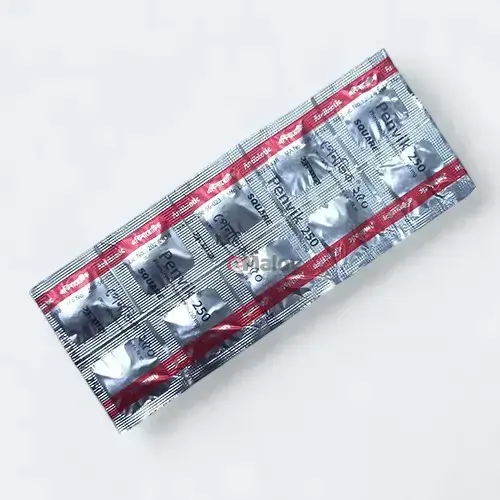
Penvik contains Phenoxymethyl Penicillin (Penicillin V), an acid-stable penicillin antibiotic. It is used for the treatment and prophylaxis of mild to moderately severe bacterial infections caused by penicillin-susceptible pathogens. It belongs to the therapeutic class of Benzylpenicillin & Phenoxymethyl penicillin.
How Penvik Works (Pharmacology)
Phenoxymethyl penicillin is an antibiotic that works by:
- Inhibiting Bacterial Cell Wall Synthesis: Like other penicillins, it interferes with the formation of the bacterial cell wall, which is essential for bacterial survival. This leads to the lysis (bursting) of bacterial cells.
- Acid Stability and Absorption: It is acid-stable, allowing it to be absorbed from the upper small intestine after oral administration. The potassium salt form is particularly well absorbed.
- Resistance to Gastric Acid: It has a distinct advantage over penicillin G in its resistance to inactivation by gastric acid.
Key Indications & Benefits
Penvik is indicated for the treatment of mild to moderately severe bacterial infections, if due to penicillin-susceptible pathogens and responsive to oral penicillin therapy, such as:
- Infections of the ear, nose, and throat (ENT) regions: e.g., tonsillitis, pharyngitis, laryngitis, otitis media, sinusitis.
- Infections of the lower respiratory tract: e.g., bronchitis and pneumonia, bronchopneumonia.
- Infections due to beta-hemolytic streptococci of group A: e.g., scarlet fever, erysipelas, rheumatic fever (prevention of recurrences).
- Skin infections: e.g., pyoderma, furunculosis, phlegmon, erysipeloid, erythema migrans (Lyme disease if penicillin-susceptible).
- Lymphadenitis and lymphangitis of bacterial origin.
- Infections of the buccal cavity, gums, or jaws: e.g., inflammatory infiltrates, delayed dentition stages II and III, antral fistulae, secondary bacterial infection with Gram-positive pathogens following virus-induced gingivitis or stomatitis.
- Prophylaxis:
- Scarlet fever.
- Prevent recurrences of rheumatic fever.
- Infection after dental and oral surgical procedures or dental extractions in certain high-risk patients (e.g., with congenital cardiac defects, artificial heart valves, rheumatic endocarditis). In some cases, combination with another appropriate antibiotic may be indicated.
Dosage & Administration
Phenoxymethyl penicillin is best taken on an empty stomach, preferably at least 1 hour before or 2 hours after a meal, to achieve maximum absorption. Tablets are swallowed without chewing with sufficient liquid. Suspension bottles should be shaken vigorously before each use. Always consult a registered physician for medication use.
The dosage should be determined based on the sensitivity of the causative microorganism, severity of infection, and patient's clinical response.
- Adults: 250-500 mg every 6 hours.
- Children (above 1 year): 125-250 mg every 6 hours.
- 125 mg/5 ml powder for suspension: 1-2 teaspoonfuls (5-10 ml) every 6 hours.
- 250 mg/5 ml powder for suspension: ½-1 teaspoonful (2.5-5 ml) every 6 hours.
- Infants (below 1 year): 62.5-125 mg every 6 hours.
- 125 mg/5 ml powder for suspension: ½-1 teaspoonful (2.5-5 ml) every 6 hours, or as prescribed.
Important Considerations & Warnings
It is crucial to discuss your full medical history with your doctor before taking Penvik.
Contraindications:
- Patients with hypersensitivity to penicillins or any of the excipients.
- Patients with severe gastrointestinal disorders accompanied by vomiting and diarrhea.
Side Effects:
- Hypersensitivity reactions (common): Skin reactions (e.g., urticaria, morbilliform or scarlatiniform rashes, pruritus), eosinophilia.
- More serious allergic reactions (less common): Drug fever, vasculitis, serum sickness, interstitial nephritis.
- Anaphylactic/Anaphylactoid reactions (rare but serious): May occur, accompanied by angioneurotic edema, laryngeal edema, bronchial spasm, and shock. Treatment must be terminated immediately if these signs occur.
- Skin/Mucous membrane inflammation: Skin rashes or inflammation of mucous membranes (especially around the mouth - stomatitis); rarely, dry mouth and taste disorders.
- Severe bullous skin reactions (isolated cases): Stevens-Johnson syndrome, Lyell's syndrome.
- Gastrointestinal disturbances: Nausea, vomiting, abdominal pain, loose stools, or diarrhea.
- Enterocolitis: Diarrhea may sometimes indicate enterocolitis, which can be hemorrhagic. Pseudomembranous colitis (due to Clostridium difficile) can occur; if severe, persistent diarrhea occurs during or after treatment, Penvik must be halted immediately and appropriate treatment initiated. Drugs inhibiting intestinal peristalsis must not be taken.
- Blood picture changes (isolated cases, high doses/prolonged use): Reduction in white blood cells (leukopenia, granulocytopenia, agranulocytosis), red blood cells (hemolytic anemia), thrombocytes, pancytopenia, myelosuppression.
- Herxheimer's reaction: May develop during treatment for spirochetal infections (characterized by fever, chills, headache, joint pains).
- Drug-induced aseptic meningitis: Isolated cases.
- Transient tooth discoloration: Extremely rare.
- Encephalopathy risk: Beta-lactams predispose to encephalopathy (convulsions, confusion, impaired consciousness, movement disorders), especially with overdose or renal impairment.
Pregnancy & Lactation:
- Pregnancy: Phenoxymethylpenicillin crosses the placenta. It may be used at any time throughout pregnancy if indicated.
- Lactation: Phenoxymethylpenicillin passes into breast milk in small amounts. It may be used during lactation; however, diarrhea and yeast colonization of mucous membranes may occur in the infant.
Precautions & Warnings:
- Cross-allergy: Possibility of cross-allergy between cephalosporins and penicillins must be considered.
- Potassium content: For patients with heart disease or serious electrolyte disturbances, the potassium content of Penvik should be considered.
- Encephalopathy Risk: Beta-lactams predispose to encephalopathy risk, especially in overdose or renal impairment. If encephalopathy symptoms occur, patients should not drive or operate machinery.
- Resistant Microorganisms: Prolonged antibiotic administration may lead to proliferation of resistant microorganisms. Patient condition should be checked regularly, and appropriate measures taken if secondary infection occurs.
- Diabetes Mellitus: Sugar content of Penvik syrup must be considered for diabetic patients.
- Driving/Operating Machinery: No indication of impaired ability to drive or operate machinery, unless encephalopathy occurs.
Drug Interactions:
- Food: Concurrent food intake reduces absorption rate; best taken on an empty stomach.
- Methotrexate: Concomitant administration may lead to increased serum levels of methotrexate and potentiate its toxic effects. Monitor methotrexate levels.
- Diarrhea (induced by Penvik): May disturb absorption and impair efficacy of other orally administered drugs.
- Bacteriostatic chemotherapeutics/antibiotics (e.g., tetracyclines, chloramphenicol): May attenuate or abolish penicillin activity.
- Probenecid: Inhibits renal excretion of penicillins, leading to elevated and prolonged serum levels.
- Indomethacin, phenylbutazone, salicylates, sulfinpyrazone: May cause elevated and prolonged serum levels of phenoxymethylpenicillin.
- Oral Contraceptives: Administration of penicillins may cause a transient reduction in plasma concentrations of estrogens and gestagens, making the effectiveness of oral contraceptives uncertain.
- Aminoglycosides (e.g., neomycin) for intestinal sterilization: Absorption of Penvik may be reduced if intestinal sterilization has just been performed or is in progress.
- Oral anticoagulants (e.g., warfarin): May prolong prothrombin time/INR.
Interference with laboratory and diagnostic tests:
- Non-enzymatic urine glucose determinations and tests for urobilinogen may give false-positive results.
Overdose Effects
- The toxicity of phenoxymethylpenicillin is low, with a broad therapeutic range.
- A single oral dose, even multiple therapeutic doses, has no acute toxicity.
- Risk of encephalopathy in cases of beta-lactam antibiotic administration, particularly with overdose or renal impairment.
- Treatment: Discontinuation of medication; no special measures generally required. Elimination can be achieved through hemodialysis.
Storage Conditions
Store in a cool and dry place, protect from light. Keep out of the reach of children.



Comment