Indications
Pevitin cream is indicated for the treatment of several skin conditions, including:
- Eczematous mycoses (fungal infections with eczema)
- Psoriasis
- Tinea infections:Tinea pedis (athlete’s foot), Tinea corporis (ringworm), and Tinea cruris (jock itch)
- Inflammatory intertrigo (a rash in skin folds)
- Diaper dermatitis
- Onychomycoses (fungal nail infections) in combination with oral antimycotics.
Description & Pharmacology
This cream is a broad-spectrum antimycotic with anti-inflammatory, anti-pruritic (anti-itching), and anti-allergic effects. It contains a combination of:
- Econazole Nitrate: A potent antifungal that covers a wide range of dermatophytes, yeasts, and molds. It also has an antibacterial effect against gram-positive cocci and bacilli, including Streptococcus pyogenes and Staphylococcus aureus. It is only slightly absorbed from the skin.
- Triamcinolone Acetonide: A synthetic steroid that inhibits the inflammatory process. It is well absorbed from local application sites.
Dosage & Administration
- Adults: Apply a thin layer to the affected skin area no more than twice daily (preferably morning and evening). Do not use with an occlusive dressing or on large areas of skin.
- Duration: Treatment should not last longer than 2 weeks. After 2 weeks, if further therapy is needed, switch to a preparation containing only econazole or econazole nitrate.
- Pediatric Use: Children may have a greater risk of systemic effects due to their larger skin surface area relative to body weight. Use with caution for short periods (less than 2 weeks) and on small areas (less than 10% of body surface area).
Interaction
- Econazole: Can interact with oral anticoagulants like warfarin.
- Triamcinolone: Can lower plasma salicylate levels. There is an increased risk of GI bleeding and ulcers with NSAIDs. It can antagonize the effects of antidiabetic drugs and increase the risk of hyperkalemia with certain medications.
Contraindications
This cream is contraindicated in individuals with:
- Hypersensitivity to any of its ingredients.
- Specific skin conditions like tuberculosis, varicella, herpes simplex, or other viral infections.
- Fresh vaccination sites.
- Decubitus ulcers (bedsores).
- Rosacea and rosacea-like dermatitis.
Side Effects
Rarely, mild local irritation, itching, and redness may occur. Prolonged, continuous topical steroid use can lead to adrenal suppression, especially in infants or children, or when occlusive dressings are used.
Pregnancy & Lactation
- Pregnancy: Triamcinolone Acetonide crosses the placenta. Topical corticosteroids in large amounts or for prolonged periods should not be used during pregnancy.
- Lactation: Small amounts of both econazole and triamcinolone may be excreted in breast milk. The cream should not be prescribed to nursing mothers, or if prescribed, breastfeeding should be withheld.
Precautions & Warnings
- For external use only. Not for ophthalmic or oral use.
- Discontinue use if hypersensitivity or chemical irritation occurs.
- Systemic absorption and its effects (including adrenal suppression) can occur, especially with large-area or prolonged use, or under occlusive dressings.
- Long-term use can cause skin thinning, atrophy, stretch marks, and easy bruising.
- May increase the risk of dermatological superinfections.
- Visual disturbances like blurred vision may occur, and an ophthalmologist should be consulted.
Overdose Effects
Excessive application can lead to localized adverse reactions or systemic effects due to steroid absorption. If accidentally ingested, treat symptomatically. If it gets in the eyes, wash with water or saline and seek medical attention if symptoms persist.
Therapeutic Class
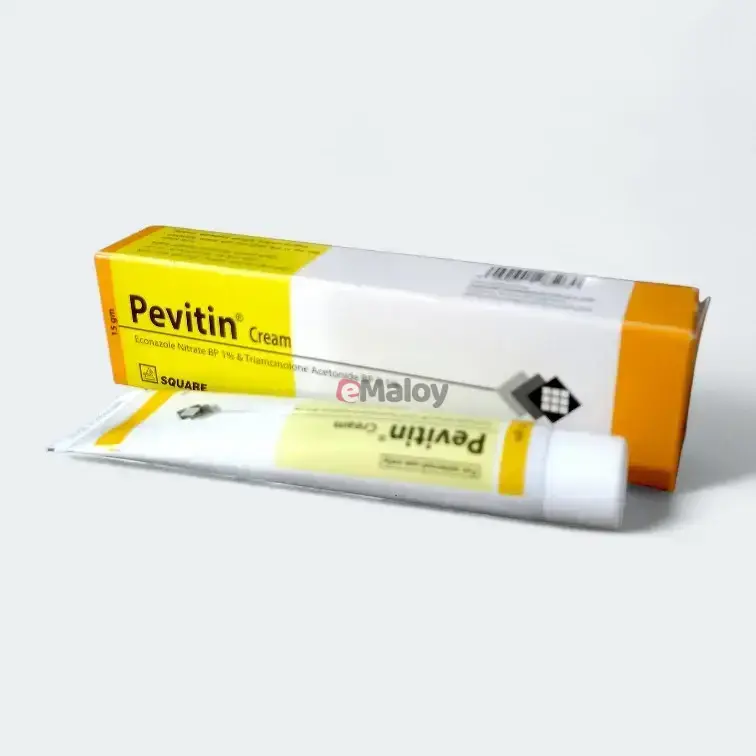
Pevitin is a combined preparation containing Triamcinolone and other active ingredients.
Storage Conditions
Store in a cool (below 30°C) and dry place, away from light. Keep out of the reach of children.



Comment