Sultolin (Salbutamol): A Short-Acting Bronchodilator
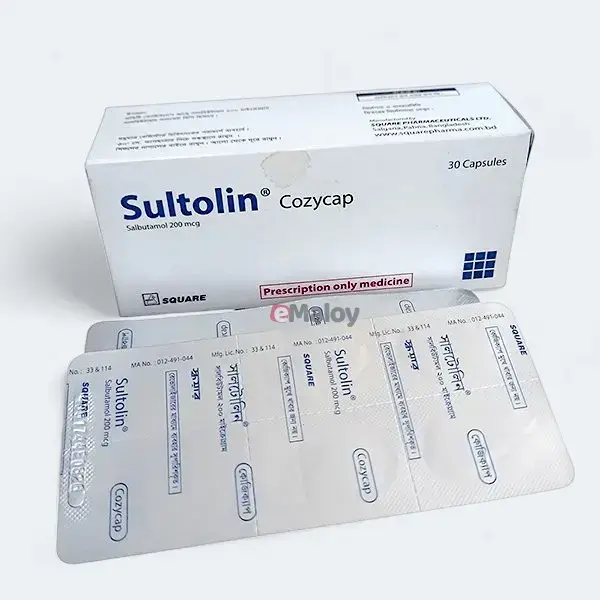
Sultolin contains Salbutamol, a synthetic sympathomimetic agent with predominant beta-2 adrenergic activity. It is a short-acting bronchodilator used to relieve symptoms associated with airways obstruction. It is indicated for conditions such as asthma, chronic bronchitis, and emphysema. It belongs to the therapeutic class of Short-acting selective β2-adrenoceptor stimulants.
How Sultolin Works (Pharmacology)
Salbutamol's mechanism of action is focused on relaxing the muscles in the airways:
- Stimulation of Beta-2 Receptors: Salbutamol selectively stimulates beta-2 adrenergic receptors located in the bronchial smooth muscles.
- Bronchodilation: This stimulation causes the bronchial muscle fibers to relax, leading to the widening of the airways (bronchodilation).
- Improved Pulmonary Function: This action improves pulmonary function, which can be measured by spirometric measurements, and provides relief from symptoms like wheezing and shortness of breath.
- Rapid Onset: It is a short-acting agent, providing rapid relief from bronchospasm.
Key Indications & Benefits
Sultolin is indicated as a bronchodilator for use in:
- Asthma
- Chronic Bronchitis
- Emphysema
- Other conditions associated with airways obstruction.
Dosage & Administration
Sultolin is available in various forms, including tablets, syrup, respirator solution (for nebulization), injection, and inhalation capsules. Dosage varies significantly depending on the form, patient's age, and severity of the condition. Always consult a registered physician for specific dosage instructions.
- Tablet or Syrup (Oral):
- Children 2-6 years: 2.5 ml syrup, 3-4 times daily.
- Children 6-12 years: 5 ml syrup, 3-4 times daily.
- Children >12 years and Adults: 5-10 ml syrup or 2-4 mg tablet, 3-4 times daily.
- Respirator/Nebulizer Solution:
- Used with a suitable nebulizer device; must not be injected or ingested.
- Adults: Intermittent administration with 0.5-1.0 ml diluted solution up to four times daily.
- Children <12 years: 0.5 ml diluted solution, up to four times daily.
- IV Infusion (Injection):
- Used for continuous intravenous infusion in adults. The solution must be diluted before use.
- Inhalation Capsule:
- Used with an appropriate inhalation device.
- Adults: One or two 200 microgram capsules as a single dose for relief of bronchospasm.
- Children >4 years: One 200 microgram capsule for acute bronchospasm.
Important Considerations & Warnings
It is crucial to discuss your full medical history with your doctor before taking Sultolin.
Side Effects:
- Common: Fine tremor of skeletal muscles (especially hands), palpitations, and muscle cramps.
- After large doses: Tachycardia, tenseness, headaches, and peripheral vasodilatation.
Pregnancy & Lactation:
- Pregnancy: Use during pregnancy only if the potential benefit justifies the potential risk to the fetus.
- Lactation: It is not known whether the drug is excreted in human milk. A decision should be made whether to discontinue nursing or discontinue the drug, considering its importance to the mother.
Precautions & Warnings:
- Caution: Use with caution in patients with hyperthyroidism, cardiovascular disease, occlusive vascular disorders, hypertension, and aneurysms.
- Hypokalemia: High doses may cause hypokalemia, which can increase the risk of digitalis-induced cardiac arrhythmia.
- Tachyphylaxis: Prolonged use of high doses may lead to tachyphylaxis (reduced drug effect) and resistance.
- Other conditions: Use with care in patients with diabetes mellitus or closed-angle glaucoma, and in those receiving antihypertensive therapy.
Overdose Effects:
- Symptoms: Angina, headache, nausea, vomiting, and tremor.
- Antidote: A cardio-selective beta-blocking agent is the preferred antidote. However, it should be used with caution in patients with a history of bronchospasm.
Storage Conditions
Keep below 30°C temperature, away from light and moisture. Keep out of the reach of children.



Comment