SuperItra (Itraconazole): A Broad-Spectrum Antifungal
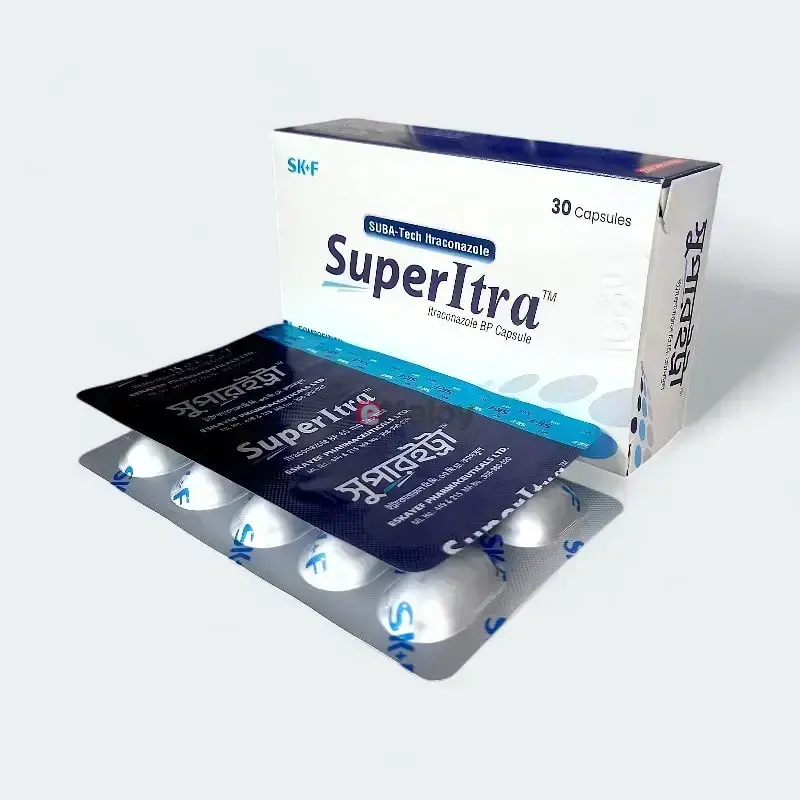
SuperItra contains Itraconazole, an orally active triazole antifungal drug. It is a broad-spectrum antifungal indicated for the treatment of various fungal infections. It utilizes SUBA (Super Bio-available) technology, which enhances the bioavailability of the drug for better efficacy. It is used to treat both non-systemic and systemic fungal infections. SuperItra belongs to the therapeutic class of drugs for subcutaneous and mycoses.
How SuperItra Works (Pharmacology)
Itraconazole's mechanism of action involves inhibiting fungal cell membrane synthesis:
- Inhibits Ergosterol Biosynthesis: It inhibits Cytochrome P-450 dependent enzymes, which are essential for the biosynthesis of ergosterol. Ergosterol is a major component of the cell membrane of yeast and fungal cells.
- Causes Cell Damage: Inhibition of ergosterol synthesis leads to a cascade of abnormalities, including increased permeability and altered enzyme activity, which ultimately inhibits fungal growth and causes abnormal cell wall formation.
- SUBA Technology: The SUBA technology improves the dissolution and absorption of Itraconazole, making it more effective than its normal crystalline form.
Key Indications & Benefits
SuperItra is indicated for the treatment of:
- Non-systemic fungal diseases: Oropharyngeal candidiasis, vulvovaginal candidiasis, pityriasis versicolor, tinea infections (pedis, cruris, corporis, manuum), and onychomycosis.
- Systemic fungal diseases: Systemic candidiasis, aspergillosis, cryptococcosis (including cryptococcal meningitis), and histoplasmosis.
- Prophylaxis: Maintenance therapy in AIDS patients and prophylaxis in neutropenia.
Dosage & Administration
The dosage of SuperItra varies depending on the type and severity of the fungal infection and the specific tablet strength (100 mg, 200 mg, 65 mg, or 130 mg). The dose and duration of treatment should be adjusted based on the clinical response. Always consult a registered physician for specific dosage instructions.
- Non-systemic infections: Doses range from 100 mg once daily for 15 days for oropharyngeal candidiasis to 200 mg once daily for 3 months for onychomycosis.
- Systemic infections: Doses range from 100-200 mg once or twice daily, with treatment durations from a few weeks to several months.
- Administration: The drug should be administered after a full meal to ensure proper absorption.
Important Considerations & Warnings
It is crucial to discuss your full medical history with your doctor before taking SuperItra.
Contraindications:
- Hypersensitivity to Itraconazole or any component of the formulation.
- Severe hepatic disease.
- Patients taking rifampin.
- Pregnancy.
Side Effects:
- Common: Nausea, abdominal pain, headache, and dizziness.
- Serious: Raised liver enzymes, hepatitis, cholestatic jaundice, peripheral neuropathy, and Stevens-Johnson syndrome.
- Prolonged use: Hypokalemia, edema, and hair loss.
Pregnancy & Lactation:
- Pregnancy: Itraconazole is contraindicated during pregnancy.
- Lactation: Breastfeeding is not recommended while receiving Itraconazole.
Precautions & Warnings:
- Reduced Gastric Acidity: Absorption is impaired when gastric acidity is reduced. Patients taking acid-neutralizing medicines should take them at least 2 hours after SuperItra.
- Liver Function: For patients on continuous treatment for more than one month, it is advised to monitor liver function due to the rare risk of hepatitis and jaundice.
- Pediatric Use: The efficacy and safety of Itraconazole capsules have not been established in pediatric patients.
Drug Interactions:
- Contraindicated with: Terfenadine, astemizole, cisapride, simvastatin, oral midazolam, or triazolam.
- Significant interactions with: Rifampin, phenytoin, phenobarbital, digoxin, and calcium channel blockers.
Overdose Effects
- There is no reported experience of overdosage with SuperItra.
Storage Conditions
Store below 25°C in a cool and dry place, away from light. Keep out of the reach of children.



Comment