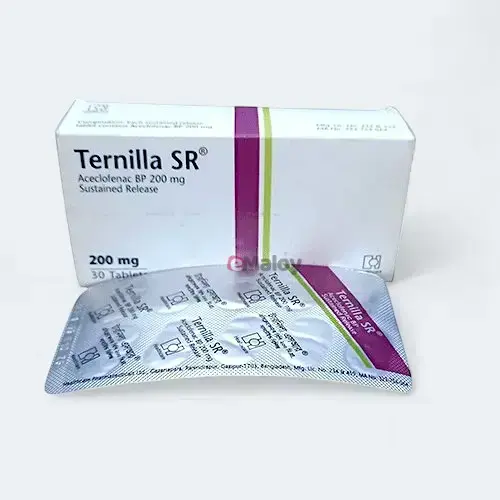
Ternilla SR (Aceclofenac): A Non-Steroidal Anti-inflammatory Drug (NSAID)
Ternilla SR contains Aceclofenac, a non-steroidal drug with anti-inflammatory and analgesic properties. It is indicated for the relief of pain and inflammation in a variety of conditions, including osteoarthritis, rheumatoid arthritis, ankylosing spondylitis, toothache, trauma, and lumbago. It belongs to the therapeutic class of NSAIDs, as well as drugs for Osteoarthritis and Rheumatoid Arthritis.
How Ternilla SR Works (Pharmacology)
Aceclofenac's mechanism of action is primarily through inhibiting an enzyme involved in inflammation:
- Inhibits Cyclooxygenase: It is a potent inhibitor of the enzyme cyclooxygenase (COX), which is responsible for the production of prostaglandins.
- Prostaglandin Production: Prostaglandins are lipid compounds that mediate inflammation, pain, and fever.
- Anti-inflammatory & Analgesic Properties: By inhibiting the production of prostaglandins, Aceclofenac reduces pain and inflammation.
Key Indications & Benefits
Ternilla SR is indicated for the relief of pain and inflammation in:
- Osteoarthritis
- Rheumatoid arthritis
- Ankylosing spondylitis
- Toothache
- Trauma
- Lumbago
Dosage & Administration
The dosage of Ternilla SR depends on the formulation. Always consult a registered physician for specific dosage instructions.
- Extended Release (SR) tablet: The recommended dose for adults is one 200 mg tablet daily.
- Film-coated tablet: The recommended dose for adults is 100 mg twice daily.
Important Considerations & Warnings
It is crucial to discuss your full medical history with your doctor before taking Ternilla SR.
Contraindications:
- Patients with known hypersensitivity to Aceclofenac.
- Patients in whom aspirin or other NSAIDs precipitate attacks of asthma.
Side Effects:
- The provided text repeats the pharmacology section here. However, as an NSAID, common side effects can include gastrointestinal issues like abdominal pain, indigestion, nausea, and diarrhea. More serious side effects can involve gastrointestinal bleeding or ulcers.
Pregnancy & Lactation:
- The use of Aceclofenac should be avoided during pregnancy and lactation unless the potential benefits to the mother outweigh the possible risks to the fetus.
Precautions & Warnings:
- Caution: Exercise caution in patients with active or suspected peptic ulcer or gastrointestinal bleeding, moderate to severe hepatic impairment, and cardiac or renal impairment.
- Other: Caution should also be exercised in patients suffering from dizziness or urticaria (hives).
Drug Interactions:
- Lithium and Digoxin: May increase the plasma concentration of these drugs.
- Diuretics: May interact with the activity of diuretics.
- Anticoagulants: May enhance the activity of anticoagulants. Close monitoring is required.
- Methotrexate: May increase the plasma level of methotrexate.
Use in Special Populations
- Pediatric use: There is no clinical data on the use of Ternilla SR in children.
Storage Conditions
Keep in a dry place away from light and heat. Keep out of the reach of children.




Comment