Ciprofbrate: A Fibrate for Lipid Management
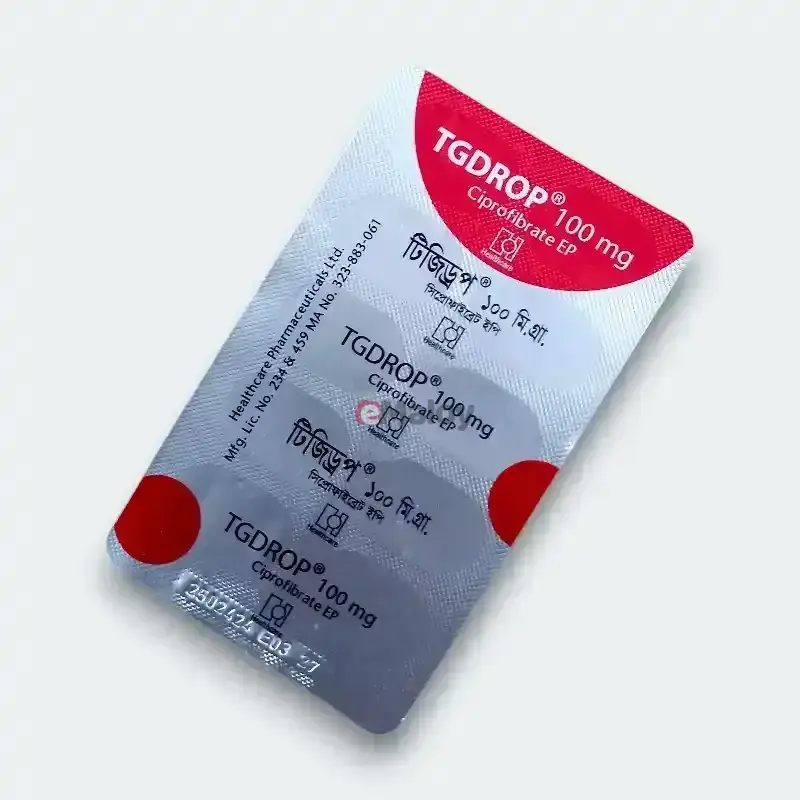
Ciprofbrate is a fibrate medication indicated as an adjunct to diet, exercise, and weight reduction. It is used to treat severe hypertriglyceridemia (high triglycerides) and mixed hyperlipidemia, particularly when a statin is contraindicated or not tolerated. Ciprofbrate works by regulating lipid metabolism to reduce cholesterol and triglyceride levels and increase "good" HDL cholesterol.
How Ciprofbrate Works (Pharmacology)
Ciprofbrate works by affecting the metabolism of lipoproteins:
- Reduces Lipoproteins: It reduces the levels of both LDL (low-density lipoprotein) and VLDL (very-low-density lipoprotein), which in turn lowers associated triglyceride and cholesterol levels.
- Increases HDL: It also increases the levels of HDL (high-density lipoprotein) cholesterol, which is considered beneficial for heart health.
- Reduces Heart Disease Risk: By improving lipid profiles, there is evidence that fibrate treatment may reduce the risk of coronary heart disease events.
Key Indications & Benefits
Ciprofbrate is indicated for:
- Treatment of severe hypertriglyceridemia, with or without low HDL cholesterol.
- Mixed hyperlipidemia, when other treatments like statins are not suitable.
Dosage & Administration
The recommended dose of Ciprofbrate is 100 mg per day and should not be exceeded. Always consult a registered physician for specific dosage instructions.
- Adults: 100 mg once daily.
- Patients with Renal Impairment: For moderate renal impairment (creatinine clearance 30-80 mL/min), the dose should be reduced to one tablet every other day. It is contraindicated in severe renal impairment.
- Patients with Hepatic Impairment: Use with caution. The treatment should be discontinued if liver enzyme levels (AST and ALT) increase significantly.
- Elderly: The dosage is the same as for adults, but caution should be taken in patients over 70.
- Children: Not recommended as safety and efficacy have not been established.
Important Considerations & Warnings
It is crucial to discuss your full medical history with your doctor before taking Ciprofbrate.
Contraindications:
- Hypersensitivity to Ciprofbrate or other fibrates.
- Severe hepatic impairment.
- Severe renal impairment (creatinine clearance <30 mL/min).
- Pregnancy and lactation.
- Concurrent use with another fibrate.
Side Effects:
- Common: Headache, dizziness, nausea, vomiting, diarrhea, abdominal pain, rash, and fatigue.
- Myalgia/Myopathy: Patients should be advised to immediately report unexplained muscle pain, tenderness, or weakness.
Pregnancy & Lactation:
- Pregnancy: Ciprofbrate is contraindicated during pregnancy.
- Lactation: Ciprofbrate is contraindicated in nursing mothers as there are no data on its use in lactation.
Precautions & Warnings:
- Muscle Pain: Patients should be advised to report any unexplained muscle pain or weakness immediately, as there is an increased risk of myopathy and rhabdomyolysis, especially in combination with other lipid-lowering drugs.
- Liver Function: Periodic liver function tests are recommended, especially during the first year of treatment.
- Hereditary Conditions: Patients with rare hereditary problems of galactose intolerance, lactose deficiency, or glucose-galactose malabsorption should not take this medicine.
Drug Interactions:
- Other Fibrates & Statins: Combination use may increase the risk of myopathy, rhabdomyolysis, and myoglobinuria.
- Oral Anticoagulants: Concomitant use requires caution and a reduced dosage of the anticoagulant, with adjustments based on INR.
Storage Conditions
Store below 30°C. Protect from light and moisture. Keep out of the reach of children.




Comment