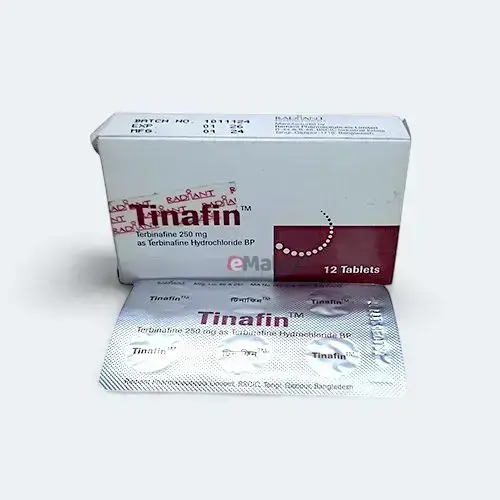
Tinafin (Terbinafine): An Allylamine Antifungal Medication
Tinafin contains Terbinafine, an allylamine antifungal. It is indicated for the treatment of various fungal infections, including onychomycosis, tinea capitis, and other skin mycoses. Terbinafine works by inhibiting a key enzyme in the fungal cell membrane biosynthesis pathway. It is available in different formulations for specific indications. Tinafin belongs to the therapeutic class of Antifungal preparations.
How Tinafin Works (Pharmacology)
Terbinafine's mechanism of action is to disrupt the fungal cell membrane:
- Inhibits Squalene Epoxidase: Terbinafine inhibits the enzyme Squalene Epoxidase, which is a crucial step in the biosynthesis of ergosterol, a vital component of the fungal cell membrane.
- Accumulation of Squalene: This inhibition leads to a deficiency of ergosterol and, more importantly, to the accumulation of high concentrations of squalene inside the fungal cell.
- Fungal Cell Death: The buildup of squalene increases the permeability of the cell membrane, ultimately leading to fungal cell death. Terbinafine may be fungicidal depending on the concentration and fungal species.
Key Indications & Benefits
Tinafin is indicated for the treatment of:
- Tinafin tablet: Onychomycosis (fungal infection of the toenail or fingernail) due to dermatophytes.
- Tinafin granules: Tinea Capitis (fungal infection of the scalp).
- Tinafin cream: Tinea corporis/cruris (ringworm of the body/groin), tinea pedis (athlete's foot), cutaneous candidiasis, and pityriasis versicolor.
- Tinafin 1% spray: Tinea pedis, tinea corporis/cruris, and pityriasis versicolor.
Dosage & Administration
The dosage and duration of treatment vary depending on the formulation and the type of fungal infection. Always consult a registered physician for specific dosage instructions.
- Tablet:
- Fingernail onychomycosis: 250 mg once daily for 6 weeks.
- Toenail onychomycosis: 250 mg once daily for 12 weeks.
- Granules (for Tinea Capitis):
- <25 kg: 125 mg/day up to 6 weeks.
- 25-35 kg: 187.5 mg/day up to 6 weeks.
- >35 kg: 250 mg/day up to 6 weeks.
- Cream: Applied once or twice daily for 1-2 weeks, depending on the infection. The affected areas should be cleansed and dried before application.
- Spray: Applied once or twice daily for 1 week, depending on the indication.
Important Considerations & Warnings
It is crucial to discuss your full medical history with your doctor before using Tinafin.
Contraindications:
- Known hypersensitivity to Terbinafine.
- Patients with chronic or active liver disease are not recommended to take Terbinafine tablets.
Side Effects:
- Common: Gastrointestinal symptoms (diarrhea, dyspepsia), liver test abnormalities, rashes, urticaria, pruritus, and taste disturbances. These are generally mild and transient.
- Rare/Serious: Idiosyncratic and symptomatic hepatic injury (sometimes leading to liver failure or transplant), serious skin reactions (e.g., Stevens-Johnson Syndrome), severe neutropenia, and allergic reactions.
- Other: Malaise, fatigue, vomiting, joint pain (arthralgia), muscle pain (myalgia), and hair loss.
Pregnancy & Lactation:
- Pregnancy: There are no adequate studies in pregnant women. Since onychomycosis treatment can be postponed, it is recommended that Terbinafine tablets not be started during pregnancy.
- Lactation: Terbinafine is present in breast milk. Treatment is not recommended in nursing mothers due to the potential for adverse effects on the infant.
Precautions & Warnings:
- Liver Effects: Rare cases of liver failure have been reported with oral terbinafine, even in patients without pre-existing liver disease. Treatment should be discontinued if there is evidence of liver injury. Pretreatment serum transaminase tests (ALT and AST) are advised for all patients before starting tablets.
- Skin Reactions: Serious skin reactions can occur. If a progressive skin rash develops, discontinue treatment.
- Cream/Spray: For external use only. Avoid contact with the eyes.
Drug Interactions:
- CYP450 2D6 Inhibitor: Terbinafine is an inhibitor of the CYP450 2D6 enzyme. Co-administration with drugs metabolized by this enzyme (e.g., certain antidepressants, beta-blockers, antiarrhythmics) requires careful monitoring and may necessitate a dose reduction of the other drug.
Use in Special Populations:
- Pediatric: The safety and efficacy of Terbinafine have not been established in pediatric patients.
- Elderly: There is no evidence to suggest that elderly patients require different dosages or experience different side effects.
Overdose Effects
- Symptoms: Overdose symptoms are typically not serious and may include nausea, vomiting, abdominal pain, dizziness, rash, and headache.
- Treatment: Treatment is symptomatic.
Storage Conditions
Store in a cool and dry place, below 30°C, and protect from light.



Comment