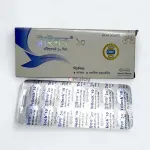
Trilock (Montelukast): A Leukotriene Receptor Antagonist
Trilock contains Montelukast, a selective and orally active leukotriene receptor antagonist. It is indicated for the long-term management of asthma, including preventing exercise-induced bronchoconstriction (EIB), and for relieving the symptoms of seasonal and perennial allergic rhinitis. It works by blocking substances in the body that cause inflammation and other symptoms associated with asthma and allergies. Trilock belongs to the therapeutic class of Leukotriene receptor antagonists.
How Trilock Works (Pharmacology)
Montelukast's primary function is to block the effects of leukotrienes:
- Inhibits Leukotriene Receptors: It specifically blocks the cysteinyl leukotriene receptor (CysLT1), which prevents leukotrienes (LTC4, LTD4, LTE4) from binding to it.
- Reduces Inflammation: Leukotrienes are products of inflammation that contribute to the symptoms of asthma and allergic rhinitis, such as airway edema, smooth muscle contraction, and inflammation.
- Symptom Relief: By blocking these receptors, Montelukast helps to reduce airway inflammation and improves breathing, relieving the signs and symptoms of both asthma and allergic rhinitis.
Key Indications & Benefits
Trilock is indicated for:
- Prophylaxis and chronic treatment of asthma in adults and children.
- Acute prevention of Exercise-Induced Bronchoconstriction (EIB).
- Relief of symptoms of Allergic Rhinitis, including both seasonal and perennial types.
Dosage & Administration
The dosage of Trilock varies by age and is taken once daily. The tablet can be taken with or without food, while the oral granules can be mixed with soft food or cold water. Always consult a registered physician for specific dosage instructions.
- Adults and adolescents (15 years and older): 10 mg tablet once daily.
- Pediatric patients (6 to 14 years): 5 mg tablet once daily.
- Pediatric patients (2 to 5 years): 4 mg tablet once daily.
- Pediatric patients (6 months to 5 years): 4 mg oral granules once daily.
Important Considerations & Warnings
It is crucial to discuss your full medical history with your doctor before taking Trilock.
Contraindications:
- Hypersensitivity to any component of the product.
Side Effects:
- Common: Diarrhea, fever, headache, nausea, vomiting, and upper respiratory tract infections.
- Uncommon: Anxiety, depression, dizziness, dry mouth, irritability, sleep disorders, and muscle complaints.
- Rare/Serious: Hallucinations, liver disorders, suicidal tendencies, and allergic reactions such as angioedema.
Pregnancy & Lactation:
- Pregnancy: There are no adequate studies in pregnant women. Trilock should only be used during pregnancy if the benefits clearly outweigh the risks.
- Lactation: It is unknown if Montelukast is excreted in human milk, so caution should be exercised if given to a nursing mother.
Precautions & Warnings:
- Not for Acute Attacks: Trilock is not a rescue medication for acute asthma attacks or status asthmaticus. Patients should have appropriate rescue inhalers available.
- Do Not Substitute Corticosteroids: Trilock should not be abruptly substituted for inhaled or oral corticosteroids. Any reduction in corticosteroid dose should be done gradually under medical supervision.
- Aspirin Sensitivity: Patients with aspirin sensitivity should continue to avoid aspirin or other NSAIDs, even while taking Trilock.
- Drug Interactions: Phenobarbital or rifampin may decrease the effectiveness of Trilock.
Overdose Effects
- Overdose symptoms are generally mild and may include abdominal pain, sleepiness, headache, or vomiting.
- In case of overdose, supportive measures should be used as needed.
Storage Conditions
Store in a cool and dry place below 30°C. Protect from light and moisture, and keep out of the reach of children.




Comment